Open a kitchen wall in a pre-1990 GTA house and you may find what the quote never covered. The five discoveries we see most, what each costs to fix in 2026, and how to budget for them.
Why Pre-1990 GTA Kitchens Hide Expensive Surprises
The kitchen is the one room where every old-house system converges: water supply, drains, gas, the heaviest electrical loads in the house, and usually at least one wall somebody wants removed. That is why hazmat and outdated-service discoveries cluster in kitchen renovations more than anywhere else — and why they are the single most common budget-buster in pre-1990 GTA homes.
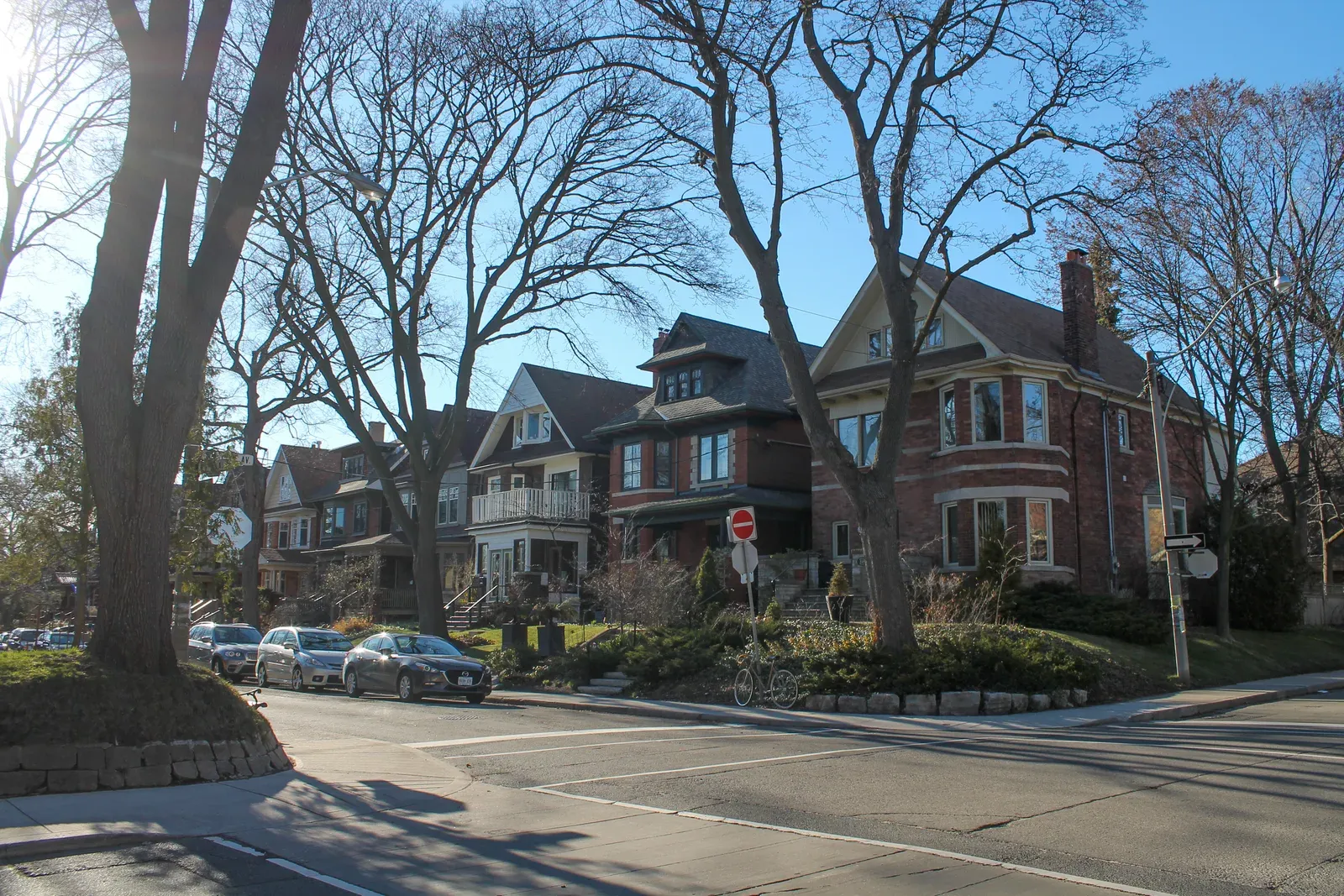
The era of your house predicts what we will find. Victorian and Edwardian rows in Riverdale, Leslieville, Parkdale, and Cabbagetown carry the full old-house stack: knob-and-tube wiring, galvanized supply pipe, plaster-and-lath walls. Post-war bungalows and splits across Scarborough, North York, and central Etobicoke sit in the peak asbestos era. The 1965-1976 subdivision boom — including the earliest phases of Erin Mills — is aluminum-wiring territory.
None of this means an older home should not get a beautiful kitchen. It means the kitchen renovation plan has to assume the walls are hiding something, and price accordingly.
Knob-and-Tube and Aluminum Wiring: Eras and Fix Costs
Knob-and-tube was standard in Ontario from about 1900 to the late 1940s, and it hides well — plenty of houses with a modern panel still have live K&T buried in kitchen ceilings and walls. Insurers now routinely refuse or cancel coverage on active knob-and-tube, and some demand certified removal within 30-90 days of a purchase. Selective remediation runs $5,000-$15,000; a substantial rewire of a typical house runs $15,000-$35,000 as of 2026, ESA permit included, plus drywall patching.
Aluminum branch wiring is a different story: used extensively in Canadian homes from 1965 to 1976, it is legal and insurable once properly mitigated. The insurer-accepted fix is copper pigtailing at every connection under an ESA permit with a Certificate of Acceptance — commonly quoted in the low thousands for a whole house, though every project needs its own electrician's assessment. Left unmitigated, aluminum can add roughly $1,200-$2,400 a year to insurance premiums.
Either way, a kitchen reno is the cheapest moment to deal with wiring, because the walls are already open. Note that electrical work runs on an ESA permit, separate from your building permit.
Asbestos in Plaster, Tile and Ceilings: Test Before Demo
Asbestos shows up in more kitchen materials than most homeowners expect: drywall joint compound, plaster, vinyl floor tile and its mastic, duct wrap on the heating runs, and textured or popcorn ceilings. Phase-outs were staggered — Ontario restricted asbestos in residential construction in 1986, and some materials were sold until about 1990 — so the working rule is simple: in any home built before about 1990, test before disturbing anything.
Lab testing costs $300-$800 and takes days, not weeks. If results come back positive, certified abatement runs $8-$20+ per square foot, with typical residential projects landing at $3,000-$12,000. That sounds painful, but the alternative is worse: contaminating your house with disturbed fibres, or a mid-demolition stop-work while an abatement crew is scrambled at premium rates.
Those 1960s-70s back-splits in Bendale, Wexford, and Agincourt with textured ceilings over the kitchen are the classic case — presume asbestos until a lab says otherwise. We build testing into the pre-construction schedule on every pre-1990 home so the answer arrives before demolition day, not during it.
Galvanized and Lead Plumbing Behind the Sink Wall
Galvanized steel supply pipe was standard before roughly 1960. It corrodes from the inside, so the symptom is weak flow at the kitchen tap long before anything leaks. Once the sink wall is open, replacing galvanized runs is the obvious move — a repipe runs $2,000-$15,000 in the GTA depending on how much of the house is involved and how hard the runs are to reach.
Lead is the other pre-1955 issue, and it is a service-line problem more than an in-house one. Toronto still has roughly 30,000-40,000 lead water services, concentrated in pre-1955 neighbourhoods. The City's priority replacement program covers the public side free if you replace the private side, which typically costs $1,500-$3,500. If you are renovating the kitchen of a century home and the water service is original, this is the project to pair it with.
Clay drain laterals in the oldest stock bring their own habit — root intrusion — so if drains have been slow, a camera inspection before the reno is cheap insurance against opening brand-new finishes later.
What Each Discovery Adds to the Budget
Rounded 2026 figures for planning, on top of the kitchen itself:
- Knob-and-tube remediation: $5,000-$15,000 selective; $15,000-$35,000 for a substantial rewire
- Aluminum wiring pigtailing: commonly low thousands, per your electrician's assessment under ESA permit
- Asbestos: $300-$800 to test; $3,000-$12,000 for typical certified abatement
- Galvanized repipe: $2,000-$15,000 depending on scope and access
- Lead service, private side: $1,500-$3,500
For context, GTA kitchens start at $25,000 and typically run $25,000-$80,000, so a single discovery can move the total 10-30%. Older housing stock reliably pushes projects toward the upper half of every range — labour alone is 30-50% of a kitchen budget, and old-house labour is slower. Our kitchen renovation cost guide covers the baseline numbers these surprises sit on top of, and our summary of what drives renovation costs up explains why two identical-looking kitchens can quote thousands apart.
How Contractors Plan Contingency for Old Homes
The industry-standard advice is a 10-20% contingency, and for pre-1990 homes we insist on the top of that range. On a $60,000 kitchen in a 1955 Etobicoke bungalow, that means $12,000 held in reserve — not spent in advance on upgrades, but genuinely parked for what the walls reveal. Our guide to setting a renovation budget with contingency walks through the math.
Just as important is what happens when something is found. A proper contractor stops, documents the discovery, prices the fix as a written change order, and lets you decide — never buries it in a vague extra. Ask how surprises are handled before you sign; the answer tells you a lot about who you are hiring.
The upside deserves the last word. Every one of these fixes is permanent. Deal with the wiring, plumbing, and hazmat during the kitchen reno and the house is safer, insurable at better rates, and cleaner at resale — the next home inspector finds nothing, and that is worth real money. Tell us about your house and we will scope the kitchen with its age built into the plan, not discovered halfway through.
Ready to start your renovation?
Our team is here to help you bring your vision to life. Get a free, no-obligation quote today.
Get Free QuoteFrequently Asked Questions
Clear answers to the questions Ontario homeowners ask most.