We install both acrylic surrounds and tiled showers across the GTA, so we have no horse in this race. Here is where each one genuinely wins — with real 2026 pricing.
The Short Answer: Budget and Timeline vs Look and Longevity
Acrylic wins on price and speed. Tile wins on appearance, customization, and lifespan. Everything else in this comparison is detail.
In 2026 GTA pricing, a basic tub-to-shower conversion with an acrylic base and surround runs $3,500 to $5,500 and installs in a couple of days. A custom tiled shower starts around $6,000 to $8,500 for mid-range work and climbs to $9,000 to $15,000 or more with full-height tile, frameless glass, a bench, and a niche — and takes one to two weeks because waterproofing and tile setting cannot be rushed.
We install both, week in and week out, so we have no incentive to steer you either way. What we do have is a rule of thumb from twenty years of GTA bathrooms: match the wall system to the room's job. A rental unit, a basement bathroom, or a budget-driven project with a hard deadline points to acrylic. A primary ensuite, a forever home, or any bathroom where you care how the room photographs points to tile. The sections below put numbers and failure modes behind that rule.
What Acrylic Systems Cost Installed in the GTA
The $3,500 to $5,500 figure covers the full basic scope: removing the old tub or surround, a new acrylic or fibreglass base, wall panels, standard fixtures, and minor plumbing adjustment. Add a glass door instead of a curtain rod and you are into the $6,000-plus territory where entry-level tile quotes begin — worth knowing before you assume acrylic is automatically the cheap route.
Quality varies more than most homeowners expect. Thin builder-grade panels flex when you lean on them and telegraph every wave in the wall behind. Heavier panels, properly supported and set on a plumb, sound substrate, feel solid for years. The install matters as much as the product: acrylic's biggest weakness is a rushed job over bad framing, because the panels can only be as straight as what they are fastened to.
What acrylic buys you beyond price is speed and predictability. A bathtub-to-shower conversion with an acrylic system means the bathroom is out of service for days, not weeks — a real consideration in a one-bathroom house. The trade-off is a fixed menu: standard sizes, standard configurations, and a look that reads as practical rather than designed.
What Tiled Showers Cost — and Why the Range Is Wider
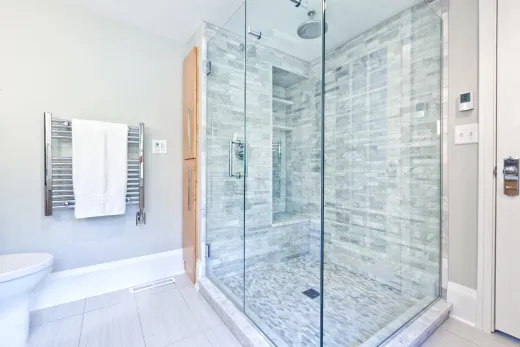
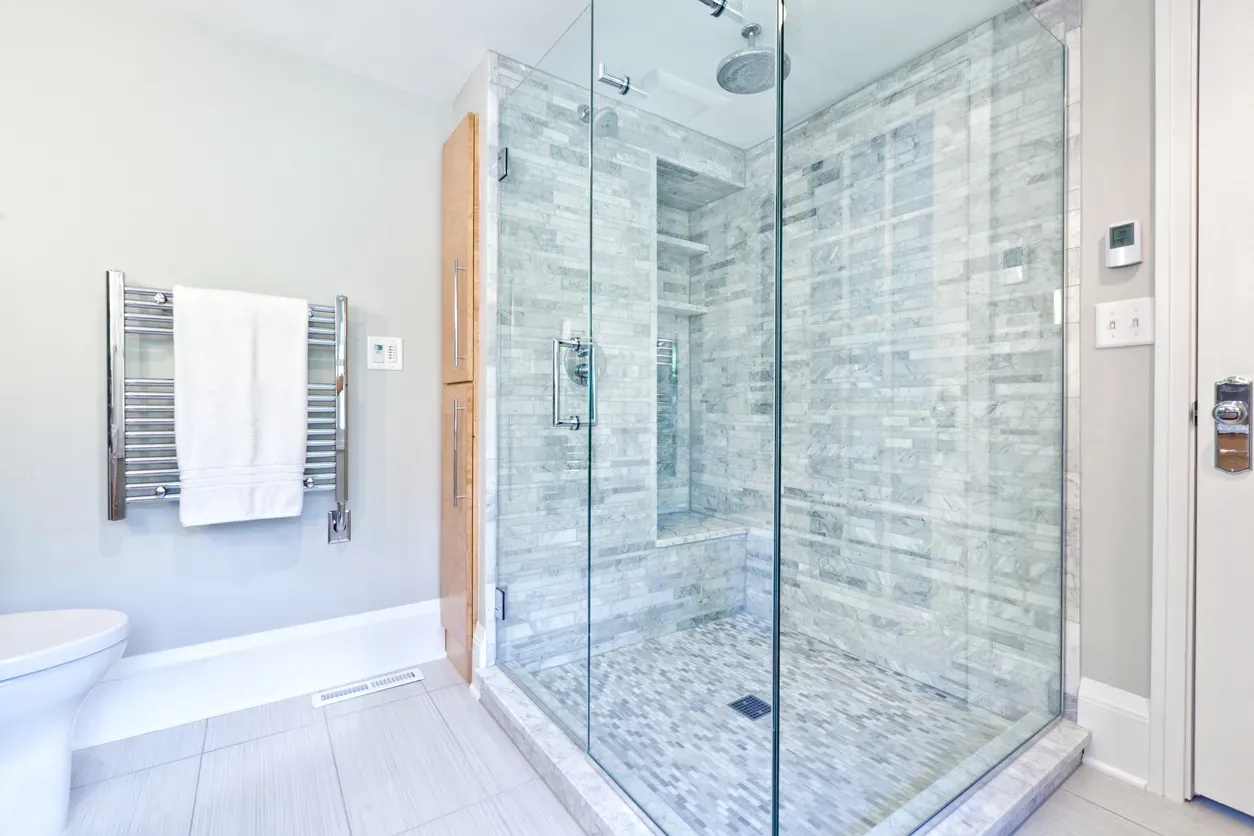
Tile pricing spreads wide because every variable is a choice. Standard porcelain runs $10 to $25 per square foot installed; natural stone and large-format start at $40. Tile-setting labour alone runs $8 to $15 per square foot in the GTA, with herringbone, mosaics, and oversized panels commanding the top of the range. Then come the extras that define the upper tier: frameless glass at $2,000 to $4,000, benches, niches, and premium valves.
Stack it together and mid-range tiled showers land at $6,000 to $8,500, while full-scope custom work — waterproofing, full-height tile, glass, finishing — runs $9,000 to $15,000 and beyond. That is two to three times the acrylic route, and the full bathroom cost picture scales similarly across the rest of the room.
Here is the part that separates a good tiled shower from an expensive future problem: the tile is not the waterproofing. Tile and grout are decorative armour over a membrane system, and that membrane is what actually keeps water out of your walls. When you compare tile quotes, the cheap one has usually thinned exactly this invisible layer. It is the worst possible place to save.
Durability, Maintenance, and Repair Differences
Day to day, acrylic is the lower-maintenance surface — no grout lines, a quick wipe, done. Its weaknesses show up over years rather than weekends: panels scratch, abrasive cleaners dull the gloss, and lighter units can develop flex or cracking at stress points. And when an acrylic panel fails or simply looks tired, there is no partial fix; the practical repair is replacement of the surround.
Tile asks for more from you and gives more back. Grout wants periodic sealing and the occasional refresh, and caulked joints need renewing every few years — ignore them and you invite the moisture problems people wrongly blame on tile itself. In exchange, a properly waterproofed tiled shower is a decades-long assembly, and it is repairable in a way acrylic never is: a cracked tile can be cut out and replaced, grout can be renewed, and the shower comes back to new without touching the rest of the room.
The failure stories we get called to fix follow a pattern worth repeating. Failed acrylic showers were usually cheap products installed fast. Failed tiled showers were almost always waterproofing shortcuts — the tile above was often still perfect. Neither material fails on its own; corners cut during installation fail.
Resale Perception in the GTA Market
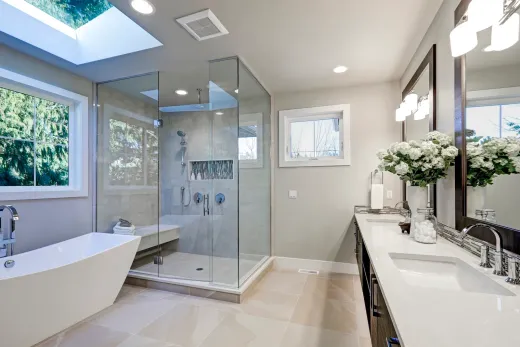
Buyers walking through GTA listings read shower walls as a signal. Tile in the primary bathroom says the renovation was done properly; an acrylic surround in the same spot reads as a flip-grade shortcut, fairly or not. In the price brackets most Toronto, Vaughan, and Oakville detached homes trade in, that perception is worth real money at listing time — agents stage around a beautiful tiled ensuite and photograph it first.
The calculus flips in secondary spaces. In a basement bathroom, a rental suite, or a kids' hall bath, buyers see acrylic as sensible rather than cheap — durable, cleanable, appropriate to the room's job. Nobody has ever walked away from a house because the basement shower had a surround. Spending tiled-shower money in a basement apartment is usually over-capitalizing; spending acrylic money in a primary ensuite of a $1.5M home is under-capitalizing.
Our plain-language advice for anyone renovating with resale in mind: put tile where buyers form their impression of the house, and put acrylic where they evaluate function. A full bathroom renovation can mix both across two bathrooms and outperform either extreme on return.
Which One We'd Put in Your House
Choose acrylic when the project is budget-capped, the timeline is tight, the bathroom is secondary, or the property is a rental. It is the honest, durable, unglamorous choice, and installed well over sound framing it will not embarrass you. Sub-$6,000 all-in, days of downtime, minimal upkeep.
Choose tile when the bathroom is one you will look at every morning for the next fifteen years, when the layout needs custom dimensions no standard surround fits, or when the home's value justifies finishing its best rooms properly. Budget $6,000 to $15,000-plus for the shower depending on materials, insist on a membrane-based waterproofing system, and treat the grout to a sealing every year or two.
And if you are converting a tub either way, decide on the walls at the same time as the entry — a curbless walk-in makes sense for some households and not others, and that choice affects how the walls get built.
We quote both systems side by side, in writing, from the same site visit — free, like all our renovation quotes. Seeing the two numbers for your actual bathroom usually makes this decision in about five minutes.
Ready to start your renovation?
Our team is here to help you bring your vision to life. Get a free, no-obligation quote today.
Get Free QuoteFrequently Asked Questions
Clear answers to the questions Ontario homeowners ask most.