Swapping a tired tub for a walk-in shower is one of the most requested projects we quote. What conversions cost in the GTA in 2026, what the price covers, and the one resale rule worth respecting.
What a Tub-to-Shower Conversion Costs in the GTA
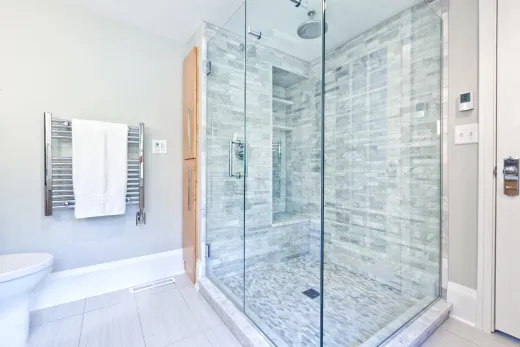
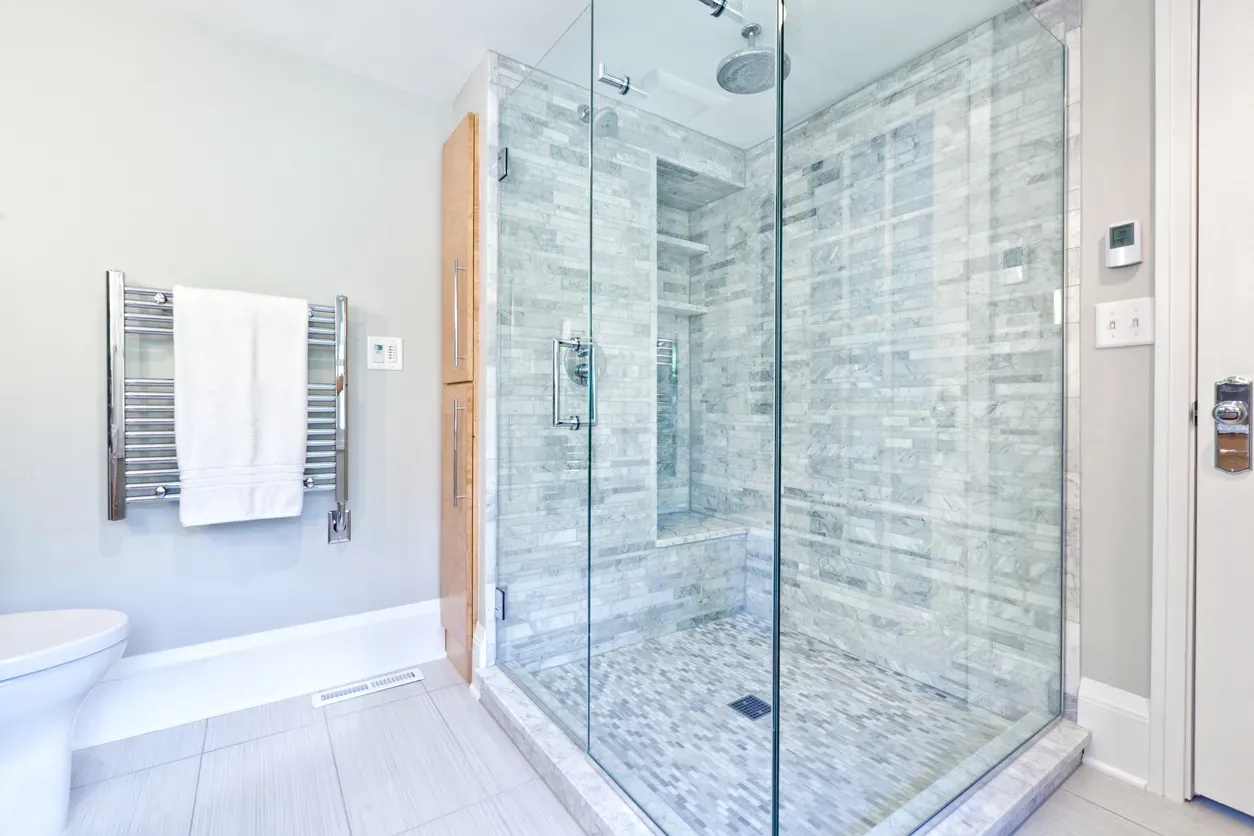
As of 2026, a basic tub-to-shower conversion in the GTA runs $3,500-$5,500. The tub comes out, an acrylic base and surround go in, and the drain stays roughly where it was. The band most homeowners actually land in is $6,000-$8,500 — custom tile, upgraded fixtures, and a glass door or panel. A fully custom walk-in shower with floor-to-ceiling porcelain, frameless glass, a bench, and a niche runs $9,000-$15,000+.
Two clarifications before you set a budget. Those figures cover the shower zone in an otherwise untouched bathroom. If the whole room is coming apart — floor tile, vanity, toilet, lighting — you are into full renovation territory, and a complete bathroom renovation in Toronto typically runs $15,000-$30,000. Also, most GTA quotes exclude the 13% HST, so confirm whether tax is in or out before comparing contractors.
The single biggest money-saver is keeping the new drain near the old tub drain. Relocating a drain or shower valve adds $2,000-$6,000 in plumbing work, and in most standard alcoves there is no design reason to do it.
What the Price Includes: Demo, Plumbing, Waterproofing, Glass
A properly scoped conversion quote should itemize everything between demolition and the final bead of silicone:
- Tub removal and disposal — the cast-iron tubs common in pre-war Toronto and Hamilton homes usually leave in pieces
- New shower valve and trim, with plumbing adjustments at $110-$200/hr for a licensed plumber
- A proper waterproofing membrane behind the tile — waterproofing is the step that decides whether the shower lasts
- Tile installation, typically $8-$15/sq ft in labour for standard formats, more for herringbone or large-format
- Glass: a frameless enclosure alone is $2,000-$4,000
Watch for quotes that skip the membrane or reuse the old valve. Both shave a few hundred dollars now and cost thousands later. In 1960s and 70s houses across Scarborough, Etobicoke, and Mississauga we also budget for surprises behind the surround — old galvanized supply lines and water-damaged framing show up regularly once the tub wall opens.
The Resale Rule: Keep One Tub in the House
Our standing advice: convert freely as long as one bathtub survives somewhere in the house. Buyers with young kids still bathe them, and many will quietly cross a listing off if there is no tub at all.
Where this matters most is the GTA's one-bathroom housing stock. Wartime bungalows in East York's Topham Park, 1940s pockets of Scarborough and north Etobicoke, and small Hamilton Mountain post-wars often have exactly one bathroom. Convert that lone tub and you have narrowed your future buyer pool. In those houses we usually steer clients toward a deep soaker-shower combination, or toward adding a second bathroom first.
In a house with an ensuite plus a family bathroom, the calculation flips. Converting the ensuite tub — often a jetted corner unit nobody has used since 2009 — into a generous walk-in shower is one of the most reliable upgrades we do, and the family bathroom keeps the tub for resale.
Design Options That Fit a Standard Tub Alcove
Most GTA tubs sit in a five-foot alcove, and that footprint gives you more room than people expect — a 60" x 30" shower is genuinely comfortable.
At the budget end, a low-threshold acrylic base with a tiled or panel surround keeps things simple and watertight. Mid-range, a tiled curb with a sliding or hinged glass door is the classic look. At the top, a linear drain lets us run the bathroom floor tile straight into a curbless entry — worth reading up on how a curbless walk-in shower compares to keeping a tub if aging in place is part of your plan.
Small decisions that pay off: a recessed niche instead of a corner caddy, a fold-down bench if the alcove allows, a handheld on a slide bar, and plywood blocking in the walls for future grab bars. Blocking costs almost nothing during framing and saves opening the wall later. We install a lot of walk-in showers for clients in their 60s planning to stay in their homes, and blocking is the first thing we spec.
How Long the Conversion Takes
A basic acrylic conversion is fast: about three to five working days from demo to usable shower, in our experience. Custom tile stretches that to roughly a week and a half or two weeks, because the membrane needs to cure, tile needs to set, and grout wants a day before it sees water.
Frameless glass adds a wait most homeowners do not expect. The enclosure is measured after tiling is finished, then fabricated — typically another one to two weeks before installation. Plan on showering behind a temporary rod and curtain in the meantime.
If the conversion is part of a full gut, the whole-room schedule governs instead; a typical full bathroom renovation takes two to three weeks plus the glass lead time. Condo owners should add front-end time too: board approval, elevator booking, and weekday-only work hours stretch every downtown project.
Is a Conversion Right for Your Home?
A conversion makes clear sense when the tub is a barrier — anyone in the household with knee or hip trouble, or a shower-only routine where the tub just collects bottles. It also wins when the existing tub is failing: rusted cast iron, a cracked acrylic shell, or grout that keeps letting water into the wall. Fixing that properly costs nearly as much as converting.
Hold off if it is the only tub in the house and you may sell within a few years, or if the bathroom has bigger problems — a 40-year-old bathroom deserves a full renovation, not a new shower beside a failing floor. And if the layout itself is wrong, price a plumbing relocation before falling in love with a drawing.
We have handled bathtub-to-shower conversions across Toronto and the GTA since 2004, and every project carries our 2-year workmanship warranty. Send us a photo of the bathroom and rough dimensions through the contact form and we will give you a realistic range before you commit to anything.
Ready to start your renovation?
Our team is here to help you bring your vision to life. Get a free, no-obligation quote today.
Get Free QuoteFrequently Asked Questions
Clear answers to the questions Ontario homeowners ask most.