A century of settling gives Durand and Kirkendall homes floors with real character - and real slopes. Here is how to choose flooring that works with a 100-year-old structure, not against it.
Durand and Kirkendall Floors: What a Century of Settling Leaves
Hamilton's lower city holds some of the best pre-1930 housing stock in Ontario. Durand's Victorian and Edwardian homes and Kirkendall's century brick were built on stone and brick foundations with dimensional lumber joists - and after a hundred years, almost none of those floors are level. Expect slopes toward the centre of the house, humps over beams, and gaps where boards have shrunk through a century of dry winters.
The good news: the flooring answer is often already in the house. As of 2026, refinishing original wood costs $4-$9 per sq ft in the Hamilton area - a fraction of replacement. New installed floors run $4-$9 per sq ft for luxury vinyl plank and $8-$15 for solid hardwood, before levelling and prep, which matter more in these homes than in anything built after 1950. Our flooring work in Hamilton starts at $5,000, and quotes typically exclude 13% HST - worth confirming when you compare bids.
Refinishing Original Wood: Hamilton's Best-Value Upgrade
Original softwood plank and early oak strip survive in a surprising number of Durand and Kirkendall houses, often under later layers of carpet or vinyl. Refinishing is where a century-home budget works hardest:
- Screen-and-recoat only (sound finish, just tired): $2-$3 per sq ft
- Standard sand, stain and multiple poly coats: $4-$6 per sq ft
- Premium work - board repairs, custom stain, oil-based finish: $6-$8 per sq ft
- Hardwax-oil finishes such as Rubio Monocoat: $5-$8 per sq ft
Dustless sanding systems run $4.50-$7 per sq ft and are worth it in an occupied home with original plaster and trim you would rather not coat in oak dust. Hardwax oil deserves a serious look in these houses: it gives a matte, close-to-the-wood look that suits old boards and can be spot-repaired, which matters on floors that will keep moving with the seasons. If boards are cupped or gapping, diagnose the moisture source first - why hardwood cups and gaps usually traces to humidity swings, and century homes with damp stone basements see the widest swings of all.
New Floors Over Old Structure: Levelling and Prep Costs
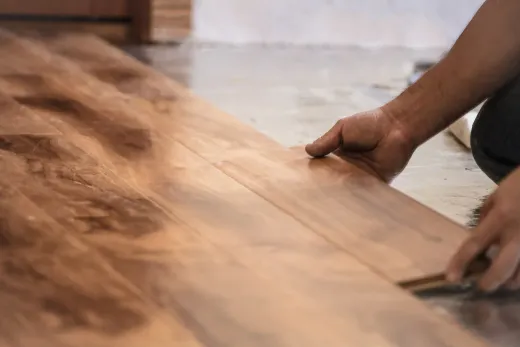
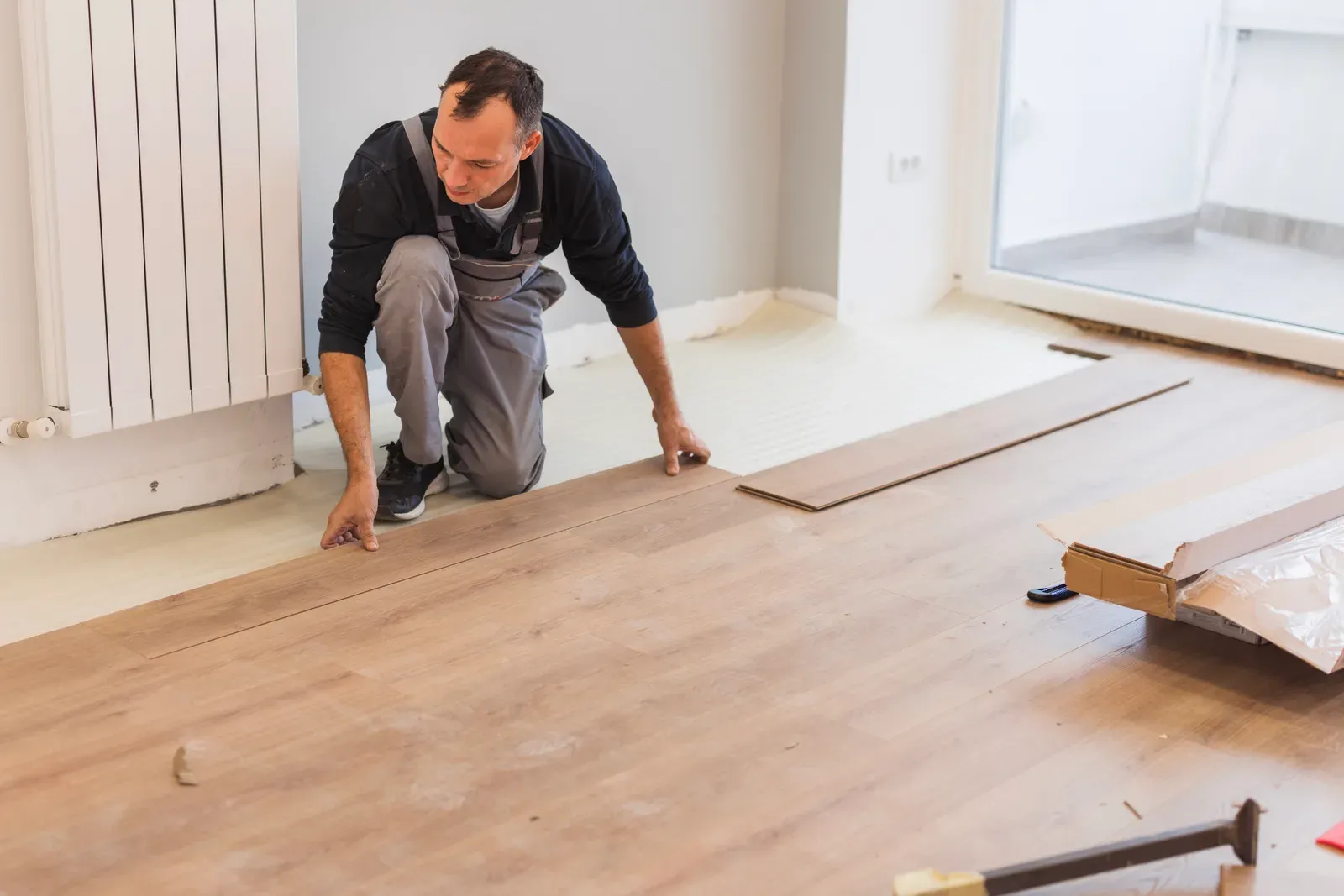
When original floors are too far gone - or a previous owner already ripped them out - new flooring over a century-old structure lives or dies on prep. Floor levelling runs $3-$8 per sq ft in the GTA as of 2026, and in a settled Victorian it is rarely optional. Long, rigid planks telegraph every dip; install them over an unlevelled subfloor and you get hollow spots, squeaks and open joints within a year.
Budget separately for old-floor removal and disposal, subfloor repair, new baseboards or shoe moulding, transitions and door trimming. In pre-1930 houses we also allow for surprises under the old boards: plank subfloors laid on an angle, patched heating grates, and the occasional joist that needs sistering. A 10-20% contingency is standard advice for any renovation in housing this old, and flooring is no exception.
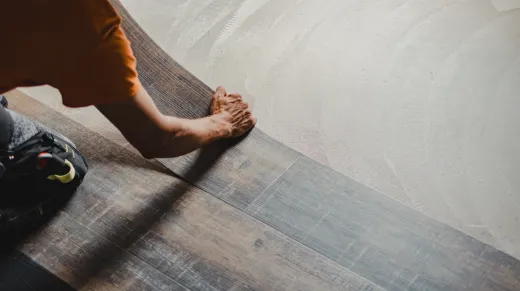
Material choice matters structurally too. Engineered hardwood and quality vinyl plank tolerate minor movement better than wide solid planks, which want a flat, dry, stable base - exactly what a century home does not naturally offer.
Basement and Kitchen Choices for Older Foundations
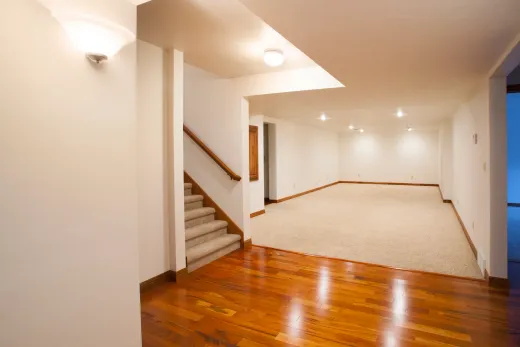
Century-home basements in Hamilton's lower city are low, damp and built of stone or brick - fine for storage and mechanicals, difficult for finished space. Solid hardwood is off the table down there under any circumstances. If you are finishing a usable portion of the basement, vinyl plank at $4-$9 per sq ft installed over a proper subfloor panel is the durable answer; the best flooring for a finished basement in the GTA is almost always vinyl or tile for exactly these moisture reasons. Deal with water first - a beautiful floor over a wet stone foundation is money thrown away.
Kitchens in these homes take more abuse than any other room and often sit over the dampest part of the structure. Porcelain tile is the traditional answer, with labour at $8-$15 per sq ft for standard formats, but it is unforgiving over a bouncy old subfloor without cement board ($4-$7 per sq ft) and stiffening work. LVP has become our more frequent recommendation in Kirkendall kitchens: it flexes with the structure, shrugs off spills, and replaces cheaply if a future owner takes the kitchen down to the studs.
Heritage District Notes: What You Can Change Freely
Durand is Hamilton's marquee heritage neighbourhood, and heritage conservation rules in the lower city can constrain exterior work - masonry, windows, streetscape-facing elements. Interior flooring is a different story. Replacing or refinishing floors inside your home is generally yours to decide, which makes flooring one of the most freely renovated elements of a designated or district property.
Two practical cautions. First, if your property carries an individual heritage designation, confirm with the City of Hamilton what the designation actually covers before removing original material - designations vary, and a five-minute call beats an argument later. Second, think hard before discarding original flooring even where you are free to. Century boards are part of what buyers pay for in Durand and Kirkendall, and a refinished original floor at $4-$9 per sq ft often adds more perceived value than new material at twice the cost. Where boards must come out, salvaging them for repairs elsewhere in the house is standard practice on our Hamilton renovation projects.
Planning a Room-by-Room Flooring Budget
The century-home approach that consistently gives the best result for the money: refinish where original wood survives, level and replace where it does not, and match materials to each room's conditions rather than forcing one product through the whole house.
For a typical Durand semi, that might mean a $4-$6 per sq ft sand-and-refinish through the principal rooms and hallway, LVP in the kitchen, tile or LVP in the bathroom, and vinyl plank over a subfloor system in any finished basement area - with levelling money reserved for whichever rooms get new material. Sequence flooring after any plaster repair, rewiring or plumbing work; in pre-1930 homes those trades routinely open floors, and nobody wants trades walking fresh finish.
Our Toronto flooring cost guide covers every material and prep item in detail, and the same 2026 rates apply across our Hamilton service area. We have worked in Hamilton's older neighbourhoods for over 20 years - send us your project and we will quote it room by room, including the levelling and repair realities most estimates skip.
Ready to start your renovation?
Our team is here to help you bring your vision to life. Get a free, no-obligation quote today.
Get Free QuoteFrequently Asked Questions
Clear answers to the questions Ontario homeowners ask most.