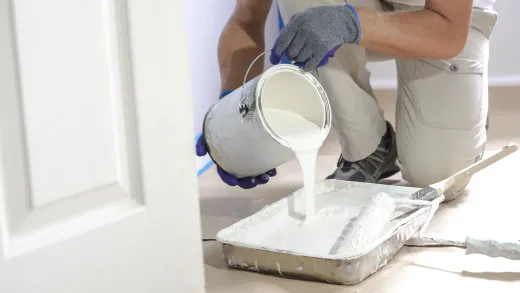
A bedroom takes a day. A whole GTA home takes three to seven days with a proper crew. Here are the real painting timelines we schedule against — and the things that blow them up.
Painting Timelines by Scope: One Room to the Whole House
Here are the working numbers our crews schedule against, as of 2026:
- Single bedroom, walls only: one day, including prep and two coats.
- Kitchen walls: one to two days. Cutting in around cabinets, backsplash, and appliances is slow, which is why kitchens price at $700–$1,400 despite the small wall area.
- Three or four rooms: two to three days for a crew of two.
- Whole home — walls, ceilings, trim: three to seven days with a two- or three-person crew in a typical GTA detached or semi. Large homes with high ceilings and heavy trim run one to two weeks.
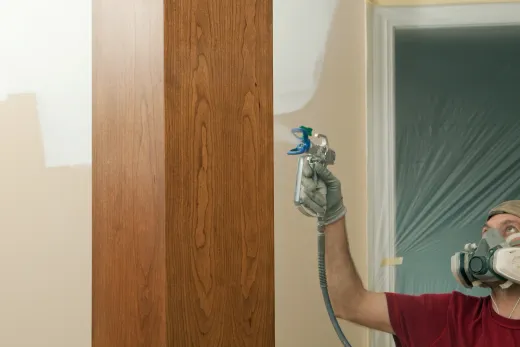
- Kitchen cabinet spraying: several working days plus curing time before doors are rehung.
Bundling matters for schedule and price alike. Setup, masking, and cleanup are fixed costs, so painting three or more rooms in one visit typically drops the per-room rate 15–25% — and finishes faster than three separate bookings would.
What a Professional Crew Does Each Day
Day one on any decent paint job looks unproductive to a homeowner, and that is the point. Furniture moves to the centre of the room, floors and fixtures get masked, nail pops and dents get filled, patches get sanded and spot-primed. None of it is colour, and all of it decides how the finished wall looks.
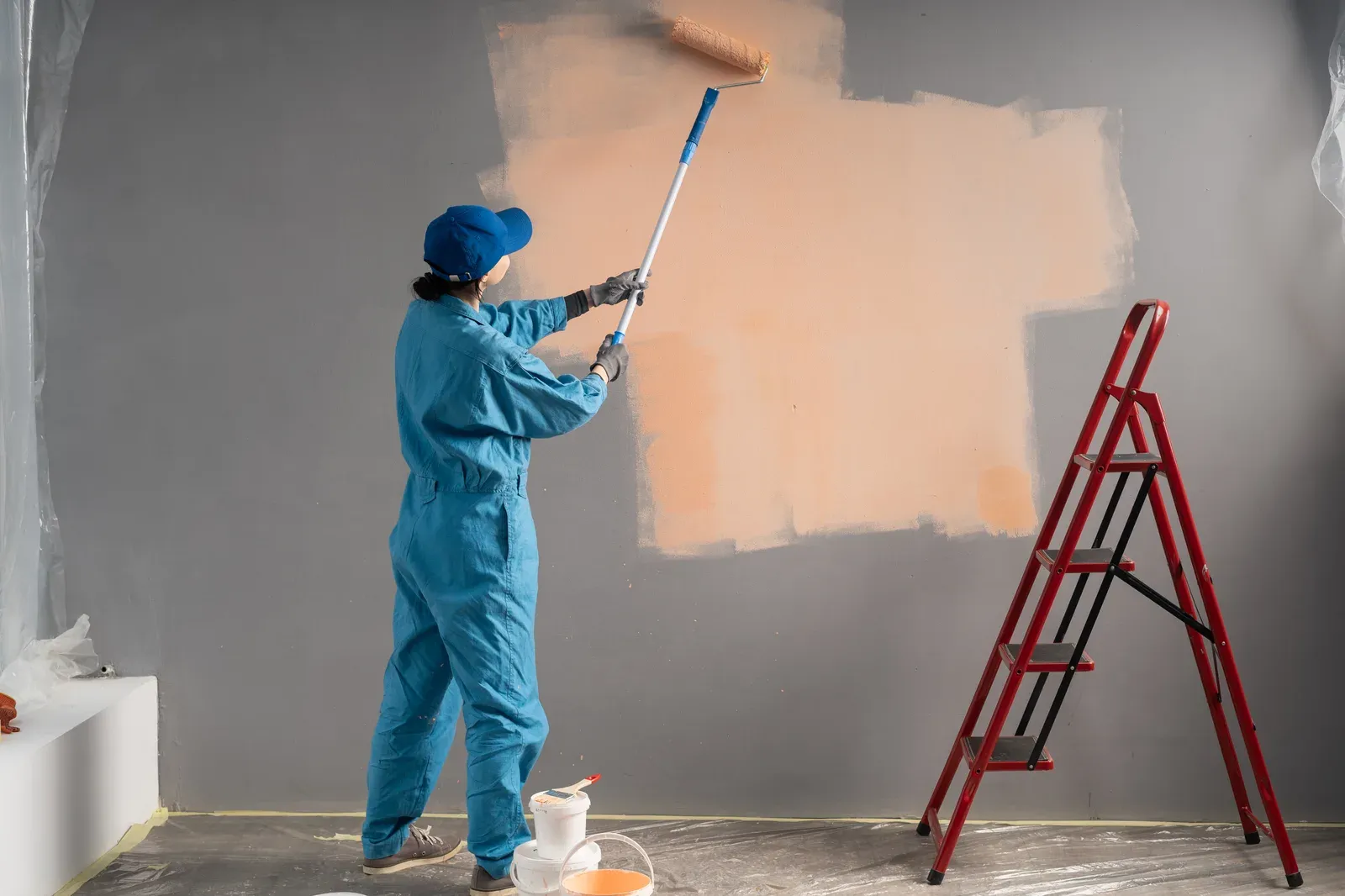
From there the rhythm is steady: cutting in by hand at ceilings, corners, and trim, then rolling the fields, with the first coat completed everywhere before the second coat starts anywhere. Trim, doors, and railings get their own pass with a harder-wearing enamel, usually while wall coats dry. A good crew tidies at the end of every day rather than leaving your house staged like a job site.
If a painter shows up and starts rolling colour within the first hour, worry. Speed at the start of a paint job almost always shows up at the end of it.
Crew size scales the schedule but not infinitely. Two painters roughly halve a solo timeline; beyond three in a normal-sized home, people start waiting on each other. That is why a bigger crew rarely turns a five-day house into a two-day house — it turns it into a four-day house done properly, or a two-day house done badly.
Drying and Recoat Windows: Why Rushing Shows
Modern latex paints feel dry fast, but recoat windows still matter — typically a few hours between coats, longer for deep colours and enamels. Full curing takes weeks, which is why freshly painted trim can feel slightly soft long after it looks done.
GTA humidity is the wildcard. In a muggy July, or in a cool basement, drying stretches noticeably, and a schedule that ignores that produces predictable defects: lap marks and patchy sheen from recoating too early, and doors that stick to their stops all winter because they were rehung before the enamel hardened. When we say a home takes five days, roughly a day of that belongs to the paint, not the painters. Crews that quote dramatically shorter timelines are usually skipping coats, skipping prep, or planning to fight the drying process — and the walls will tell you which.
Occupied Homes: Painting Around Your Life
Most of our painting happens in occupied homes, and the sequencing is straightforward when it is planned rather than improvised. We work room by room or floor by floor, so bedrooms are painted early in the day and back in service by night. Kitchens get scheduled so the household can still make dinner. Low-VOC paints are our default, which keeps odour manageable for kids, pets, and anyone working from home.
The honest trade-off: occupied-home painting runs a little slower than an empty house, because rooms have to be returned to usable condition daily instead of staying masked for the duration. It is the same logic we describe in living at home during a whole-home renovation, scaled down to a few days. For a vacant home — between closing and move-in is the golden window — a crew moves fastest of all, and that is the cheapest painting you will ever buy.
The Delays: Repairs, Colour Changes, High Ceilings
Most blown painting schedules trace back to four things.
Wall condition is the big one. Cracked corners, water stains, and rough patches need repair before paint, and walls that need full skim-coating add roughly $1.00–$1.50 per square foot and 30–50% more finishing time. Second is colour: covering a dark feature wall with a light colour takes extra coats, and each coat needs its drying window. Third is height — two-storey foyers and stairwells need staging or planks, and everything overhead moves at half speed.
Fourth is the ceiling itself. Popcorn ceiling removal runs $2–$6 per square foot, and any home built before about 1990 should have the texture lab-tested for asbestos before anyone scrapes — testing costs $300–$800, and a positive result means licensed abatement, not a weekend scrape. We flag all four during quoting so the schedule you get is the schedule you live with.
Booking Painting Within a Larger Renovation
Inside a renovation, painting sits near the end of the sequence: after drywall, taping, and trim carpentry, coordinated carefully with flooring so nobody wrecks anyone else's finish. We typically prime early to spot drywall flaws while they are cheap to fix, then hold final coats until the dusty trades are gone, with a touch-up pass at the very end. The full ordering logic is in our guide to the whole-home renovation sequence.
Decision guidance: if you need one or two rooms painted and nothing else, book a painter directly — it is a one-day job and simple to arrange. If your painting rides on drywall repairs, popcorn removal, new trim, or a larger scope, put it under one contractor so the schedule has a single owner. That is how we run home renovation projects across the GTA, and our Toronto renovation cost guide shows where painting fits in a full-project budget.
Ready to start your renovation?
Our team is here to help you bring your vision to life. Get a free, no-obligation quote today.
Get Free QuoteFrequently Asked Questions
Clear answers to the questions Ontario homeowners ask most.