Painted brick can look sharp on a Toronto Victorian — and it can also wreck the wall. Here is how we decide when century brick should be painted, and what belongs on it.
Why Painted Brick Is Everywhere in Toronto Right Now
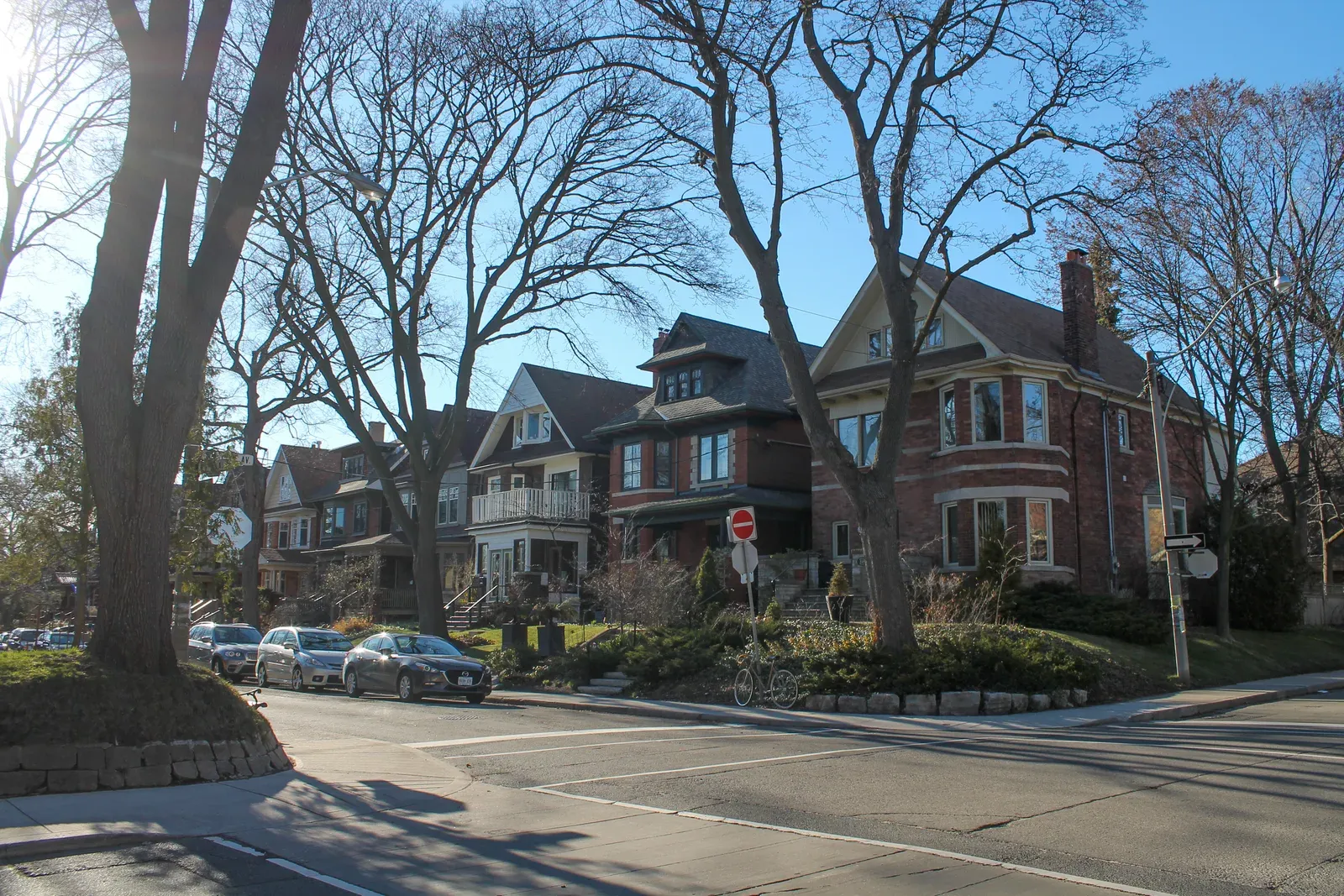
Walk through Leslieville, Riverdale, or Trinity-Bellwoods and you will pass freshly painted brick on every second block — matte black, chalky white, soft limewashed grey. Before you book a painter, here is our position after two decades on Toronto houses: on an 1880–1915 home, paint brick only with a breathable coating such as limewash or a mineral silicate paint, only after the masonry is repaired, and only after confirming your street is not under heritage rules. Conventional acrylic exterior paint on century brick is close to irreversible, and in a freeze-thaw climate it can actively destroy the wall it covers.
The appeal is easy to understand. Paint unifies mismatched additions, hides decades of patched openings and clashing repairs, and gives a Victorian semi a clean, current face for less money than almost any other exterior change. We get the calls every spring. The problem is the product going onto much of that brick — and the bill for the wrong one arrives three to ten winters later.
The Irreversibility Problem With Old Brick
Toronto's Victorian and Edwardian rows were built as double-brick walls: two layers of brick laid in lime-based mortar, no cavity, no insulation. The wall manages water by absorbing a little and drying back out through the brick face and the joints. That brick was fired softer than anything made today, and it depends on the drying cycle to survive our winters.
Film-forming acrylic paint seals the face. Moisture still gets in — through hairline mortar cracks, worn sills, and damp rising from those low Victorian basements — but it can no longer evaporate outward. It sits behind the paint film, freezes, expands, and pops the outer face of the brick off. Masons call it spalling, and it is the same failure you see when soft historic brick is repointed with hard modern Portland mortar.
Once brick spalls, there is no restoring the face. Removal is no rescue either: sandblasting destroys the fired outer skin that protects soft brick, and chemical stripping is slow, costly, and rarely complete. Treat paint on century brick as permanent, because in practice it is.
Breathable Options: Limewash and Mineral Paints
If the look matters enough to proceed, two families of coatings respect old masonry.
- Limewash is slaked lime in water. It soaks into the brick rather than filming over it, stays fully vapour-open, and weathers into the soft, mottled patina you see on old European masonry. It wears gradually and wants an occasional refresh coat — many owners consider that part of the charm.
- Mineral (silicate) paints bond chemically with the masonry instead of forming a plastic film. They stay vapour-permeable, hold colour far longer than limewash, and come in a much wider palette. They cost more per litre than standard exterior acrylic, and the surface prep still has to be right.
Standard acrylic masonry paint is not automatically wrong everywhere. Post-war and newer brick is fired much harder and tolerates a quality acrylic system reasonably well. The line we draw in practice is simple: the older and softer the brick, the more the coating needs to breathe.
Heritage Districts: Check Before You Paint
Painting a house needs no building permit — cosmetic work sits on Toronto's exemption list. Heritage rules run on a separate track. If your home is a listed or designated property, or sits inside a Heritage Conservation District, exterior alterations can require heritage review before you start, and painting previously unpainted masonry is exactly the kind of change districts scrutinize. Several of the neighbourhoods where painted brick is trending have designated pockets, and rules differ district by district, so check with the city before a brush touches the wall. We walk through how those approvals work in our guide to renovating a heritage property in Toronto.
One related check: century homes carry decades of old coatings on trim, soffits, and previously painted sections. Canada restricted lead in interior paint in 1976, so treat pre-1980 painted surfaces with caution and have questionable layers tested before anyone sands them.
What Exterior Brick Painting Costs
There is no honest flat number for painting a brick exterior, because on a century house the coating is the cheap part of the invoice. What actually drives the quote, as of 2026:
- Masonry repairs first. Cracked brick and failed joints must be repointed before any coating goes on — with a lime-based mortar on old brick, since hard modern mortar damages soft masonry. Painting over problems just traps them.
- Prep and washing. Old brick needs gentle cleaning, never aggressive blasting.
- Access. A two-and-a-half-storey Victorian semi means ladders, staging, and slow careful work over party walls and tight side yards.
- Product. Mineral systems and limewash cost more per litre than builder-grade acrylic, and applying them correctly takes more labour.
Expect quotes to vary widely between contractors for exactly these reasons. Ask for the prep itemized, and remember most contractor quotes exclude 13% HST. Our Toronto home renovation cost guide covers how we scope and price exterior work inside larger projects.
Alternatives: Cleaning, Tinted Sealers, and Restraint
Half the homeowners who call us about painting brick actually want cleaner, more even brick — and cheaper paths get there. A gentle professional wash removes decades of grime and often reveals masonry worth keeping. Repointing tired joints in a matched lime mortar sharpens the whole facade. Breathable mineral stains can even out mismatched patches while letting the brick stay visible, a lighter touch than full-coverage paint.
Our decision guidance after twenty years on GTA exteriors: if your house is post-1980 hard brick and you love the painted look, a quality system applied properly is a reasonable choice. If you own century brick in Riverdale, Parkdale, or Cabbagetown, think hard, choose limewash or mineral paint if you proceed, and accept that the decision is permanent. When in doubt, restraint costs nothing and keeps every option open. We handle masonry-adjacent exterior scopes as part of home renovation projects across Toronto — send us the details and we will tell you straight whether your brick should be painted at all.
Ready to start your renovation?
Our team is here to help you bring your vision to life. Get a free, no-obligation quote today.
Get Free QuoteFrequently Asked Questions
Clear answers to the questions Ontario homeowners ask most.