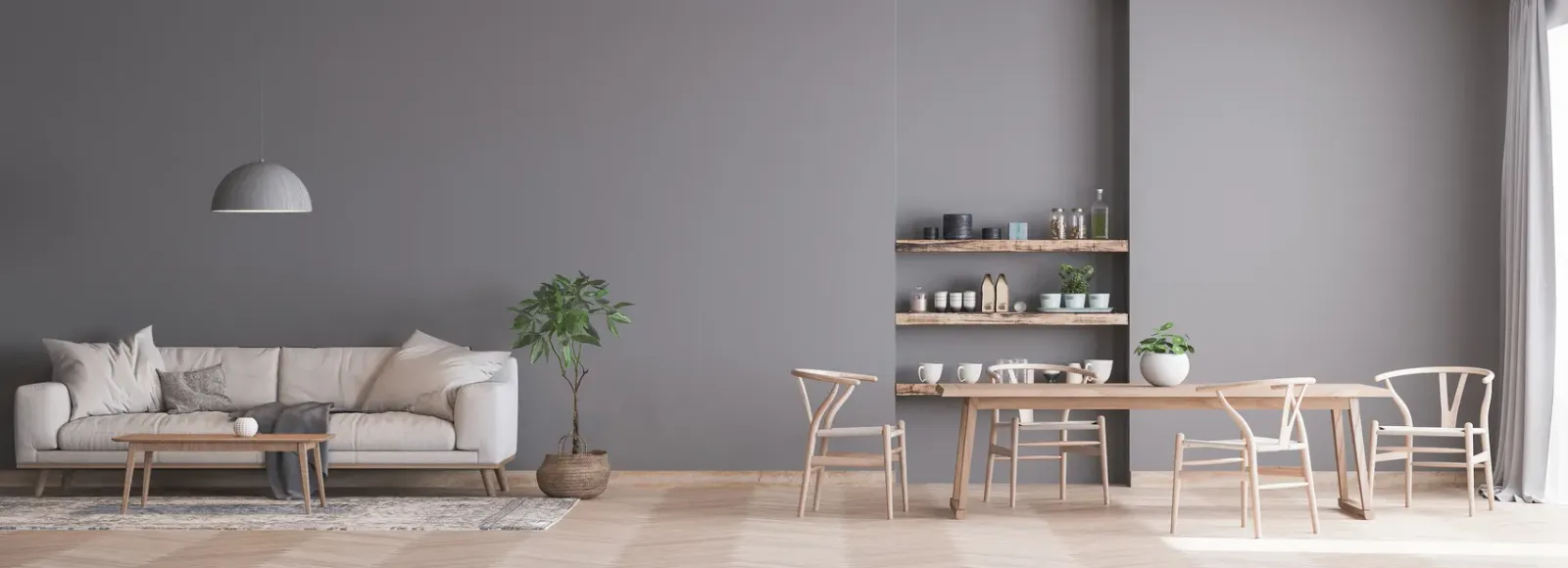
Modern wallpaper is back in GTA homes, and it earns its wall — at several times the cost of paint. Here is how we help clients decide which finish the feature wall deserves.
The Feature Wall's Comeback in GTA Homes
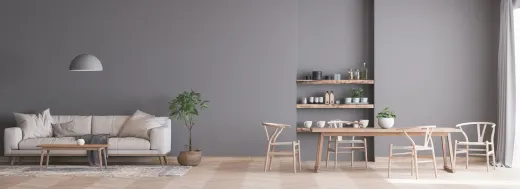
Feature walls disappeared for a few years — victims of the all-grey era — and came back better dressed. What we are installing now across the GTA is not the burgundy accent wall of 2008: it is grasscloth behind a bed, a large-scale mural in a dining room, bold botanical paper in a powder room, and deep painted tones used with actual intent.
The cost answer up front, since that is what most clients ask first: a papered feature wall typically costs several times a painted one once material, wall prep, and installation are counted. Paint keeps a decisive win on budget and changeability. Paper wins on texture, pattern, and the kind of depth paint cannot fake, and on a single wall the total spend usually stays reasonable even for premium material. The rest of this post is the honest version of how we help clients pick between them.
What Wallpaper Costs Installed vs a Painted Feature
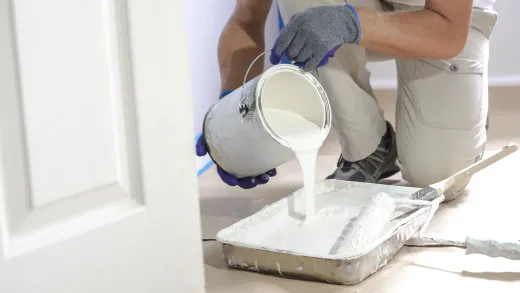
A painted feature wall is the cheapest drama in renovation. Single-room painting runs around $5 per square foot of wall area as of 2026 because setup and masking are fixed, and an accent wall folded into a room repaint adds very little — often just the second colour's cutting-in time.
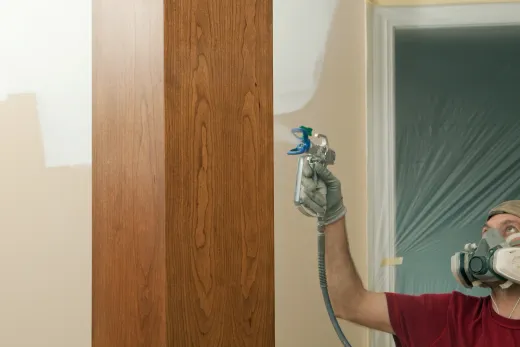
Wallpaper carries three separate costs. Material is priced per roll, and the range is enormous: mainstream non-woven papers are modest, while designer grasscloths and murals cost many times more, before the waste that pattern repeats force you to buy. Installation is skilled labour priced per roll or per wall. And prep is the quiet line item — paper telegraphs every bump and old repair, so walls often need skim-coating to a near-perfect surface first, which adds roughly $1.00–$1.50 per square foot over a standard paint-ready finish.
There is no honest single number, so get the quote itemized: material, prep, and installation separately. That breakdown also shows you exactly where a cheaper paper or a smaller wall would save money.
Where Paper Wins: Texture, Pattern, Drama
Paint can match almost any wallpaper colour. It cannot match texture, and texture is what people are responding to when they run a hand over grasscloth or notice how a woven paper softens lamplight. Pattern is the second advantage: a mural or large-repeat botanical creates a focal point that no amount of paint can reproduce.
Small rooms are where paper earns its price fastest. A powder room has so little wall area that even an expensive paper needs only a few rolls, and the payoff per dollar is the best in the house — it is the room guests actually see, and the one where a little theatre is welcome. Dining rooms and the wall behind a bed are the other reliable winners: rooms used at fixed times, in controlled light, where you sit facing the feature. In all three, paper feels intentional rather than trendy.
Condos deserve a mention here too. In a unit where every wall is flat builder drywall and structural changes are off the table, one papered wall does more to distinguish the space than any amount of furniture — and the small wall areas keep material costs contained.
Where Paint Wins: Flexibility and Budget
Paint wins everywhere the future is uncertain. It costs a fraction of paper, changes on a whim, and touches up invisibly when a chair scrapes it — a scuffed wallpaper seam has no such mercy. Households with young kids, dogs, and hockey bags learn this quickly.
Moisture is the other boundary. In full bathrooms with tubs or showers, steam works at paper edges and seams over time; we steer paper toward powder rooms and keep painted, ventilated surfaces in wet bathrooms. High-traffic hallways and stairwells take enough contact that durable scrubbable paint simply outlasts paper there.
And resale deserves a mention. A bold painted wall costs a buyer one afternoon to neutralize; a papered wall they hate reads as a project. If selling within a couple of years is on the table, paint the drama and keep it reversible — the same logic we walk through in saving money without cutting quality.
Removal and Change-of-Mind Costs
Every feature wall eventually meets a change of heart, so price the exit before you commit.
Paint's exit is a repaint. The only wrinkle is going dark to light, which needs extra coats — a modest, predictable cost. Modern non-woven wallpapers are the next best case: hung properly on primed walls, they strip dry in full sheets, and re-papering or painting afterward is straightforward.
Older or poorly hung paper is where budgets go sideways. Traditional pasted papers come off with scoring, soaking or steaming, and patience, and they usually take chunks of the wall surface with them — which means patching or skim-coating before the wall can take paint again. If you are buying a home with layers of vintage paper, treat removal as a real labour line in the repaint budget, not an afterthought. It is one of the small scopes we price during walkthroughs precisely because it surprises people.
Picking the Wall That Deserves the Feature
The feature wall should be the one the room already looks at: the wall behind the bed, the fireplace wall, the far wall you see from the entry, the wall a dining table sits against. Featuring a wall broken up by windows and doors wastes the money — you pay for pattern that never reads as a plane.
Our decision guidance, plainly: if the budget is tight or the room's future is unsettled, paint the feature and spend the difference on lighting. If you want texture and are keeping the room for years, paper one high-impact wall in a small room — the powder room and the primary bedroom are where clients thank themselves later. Do the wall prep properly either way, because both finishes are only as good as the surface underneath. Feature walls ride along with most of our home renovation projects across the GTA, and our Toronto renovation cost guide shows how finishes fit a full budget.
Ready to start your renovation?
Our team is here to help you bring your vision to life. Get a free, no-obligation quote today.
Get Free QuoteFrequently Asked Questions
Clear answers to the questions Ontario homeowners ask most.