Quick Answer
Yes, you can move your kitchen sink, stove, or fridge to a new spot during a renovation. It requires rerouting plumbing, drain lines, gas, or electrical to the new location, and most of this work needs permits and licensed trades in the GTA. The further you move a fixture and the more it disrupts your subfloor or walls, the more it adds to the budget, so plan relocations early in the design.
Yes, you can relocate the sink, stove, and fridge in a GTA renovation
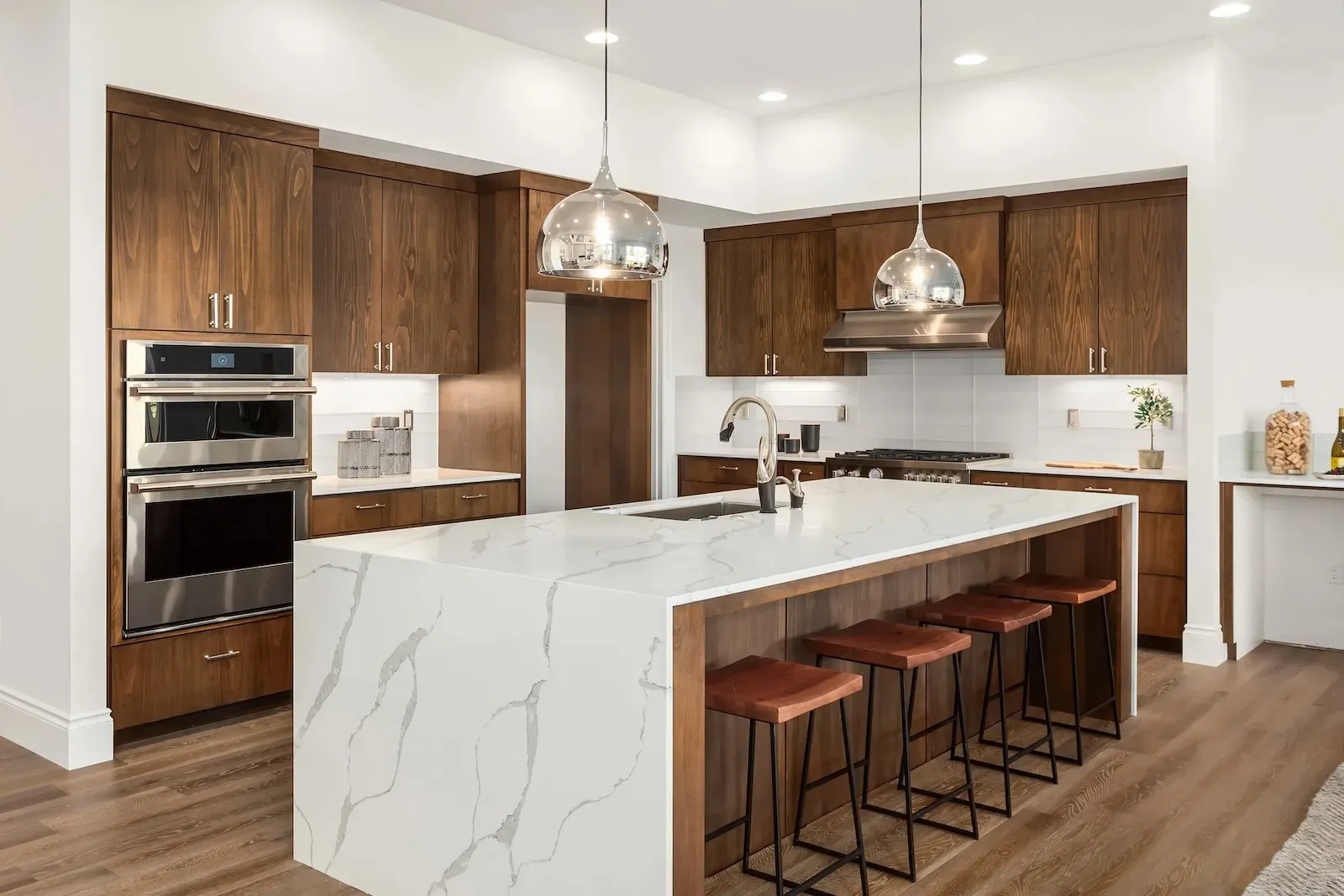
Relocating any of these is entirely possible and very common in modern kitchen renovations, especially when homeowners open up a wall or shift to an island layout. Each appliance just needs its service moved with it. The sink needs both a water supply and a drain, and the drain is the trickier half because it relies on gravity and proper venting. The stove needs either a 240-volt electrical circuit (electric) or a gas line with the right venting and range hood (gas). The fridge is the simplest, needing a standard outlet and, if it has an ice maker, a small water line. In our 20-plus years across Toronto, Vaughan, Mississauga, Markham, and the wider GTA, sink-to-island moves and stove relocations are some of the most requested layout changes we handle. The key is deciding final positions during the design phase, before demolition, so plumbers and electricians can rough in the new locations once and avoid rework. We coordinate licensed, insured, WSIB-cleared trades so every relocation is done to code and stands behind our two-year written workmanship warranty.
Moving the sink is usually the biggest job because of the drain
Of the three, relocating the sink typically drives the most cost and complexity, because the drain must maintain a continuous downward slope toward the existing waste stack and be properly vented. Supply lines for hot and cold water are relatively easy to extend, but a drain that travels several feet, especially to a kitchen island, often means cutting into the subfloor or the ceiling below to run new pipe at the correct pitch. Islands frequently require an air-admittance valve or a loop vent so the trap drains correctly without siphoning. In older Toronto and Hamilton homes, we sometimes find cast iron or undersized lines that benefit from updating while the floor is open. Plumbing alterations like this generally require a permit and a licensed plumber in Ontario, and the work is inspected. Confirm permit specifics with your municipality, since requirements and fees differ across the GTA. Moving a sink only a foot or two along the same wall is minor; relocating it across the room or onto an island is where the real labour, and budget, lands.
Stove and fridge moves depend on gas, electrical, and venting
Relocating the stove and fridge is generally simpler than the sink, but the details matter. For an electric range you need a dedicated 240-volt circuit run to the new spot, which a licensed electrician handles and which usually requires an Electrical Safety Authority notification or permit in Ontario. For a gas range, the gas line must be extended or relocated by a licensed gas fitter, pressure-tested, and inspected, and you must plan a proper exhaust path for the range hood, ideally vented to the exterior. Moving cooking to an island raises ventilation questions, since a downdraft or ceiling-mounted hood may be needed, which adds cost. The fridge needs only a standard outlet at the new location and, for an ice maker or water dispenser, a dedicated cold-water line and shutoff. Always leave proper clearances and ventilation around the fridge. Because gas and electrical work carries real safety risk, we never recommend DIY here; our trades are licensed and the work is permitted and inspected so it is safe and warrantied.
What relocating fixtures adds to your kitchen renovation cost
Relocating fixtures adds to a kitchen renovation mainly through extra plumbing, gas, and electrical labour, plus any permits and inspections, so it is best to treat figures as estimates until a site visit. As a general anchor, kitchen renovations in the GTA typically start around 25,000 dollars and commonly run from about 25,000 to 75,000 dollars depending on size, finishes, and how much you move. HST is extra. Relocations sit on top of that base because they involve opening floors or walls, running new lines, and patching afterward. A sink moving to an island, a gas stove relocation with new venting, and a fridge water line together can add a meaningful chunk versus a like-for-like layout. We avoid quoting exact line-item prices because every home is different, an older Vaughan bungalow with cast iron differs greatly from a newer Milton build. The honest answer is that we give you a real quote after a site visit, where we can see your stack location, joist direction, and electrical panel capacity, then price the relocations precisely rather than guessing.
Have a project in mind?
Get a free, no-obligation quote from Leo Constra’s licensed team—20+ years of renovation experience across the GTA, backed by a 2-year workmanship warranty.
Get a Free Quote