Renovating After (or Before) Basement Flooding in Toronto
Every big Toronto storm produces the same calls: soaked carpet, ruined finishes. Here is how we protect basements before the next storm — and how the City helps pay for it.
Why Toronto Basements Flood: Sewers, Grading, Storms
Toronto basements flood for three main reasons, and they usually stack.
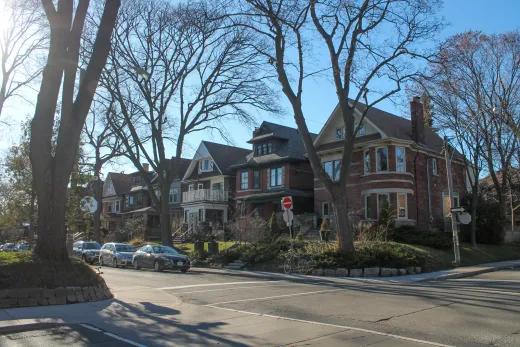
Sewer surcharge. In older neighbourhoods — much of East York, old Etobicoke, and the pre-war core — intense summer storms can overwhelm the sewers, pushing water backward up your floor drain and lowest fixtures. Homes on pre-1960s streets often still drain through original clay laterals that roots have been invading for decades, which slows outflow at exactly the wrong moment.
Surface water. Downspouts dumping beside the foundation, driveways and patios sloping toward the house, and window wells that fill like buckets all deliver water directly to your foundation walls. Freeze-thaw cycles make it worse each winter, opening hairline cracks a little wider every year.
Groundwater. After days of rain or a fast March melt, the water table rises and tests every crack and cold joint in the slab.
The renovation mistake we see constantly: finishing a basement without asking which of these three applies to the house. The finishes are the last step. Protection comes first, and in Toronto the City will actually help you pay for a meaningful chunk of it.
The Protection Stack: Backwater Valve, Sump, Grading
We call it a stack because each layer covers a different failure mode.
- Backwater valve — a one-way gate on your sanitary line that stops sewer surcharge from backing into the basement. Installing one requires a permit; at Toronto's 2026 rates, work on buried piping carries a flat $214.79 permit fee.
- Sump pump with battery backup — collects groundwater from under the slab and ejects it away from the house. The battery matters because major storms and power outages arrive together.
- Downspout disconnection and grading — downspouts extended away from the foundation and soil regraded to slope away from the walls. Unglamorous, cheap, and it eliminates a surprising share of leaks on its own.
- Foundation repairs — crack injection or exterior membrane work where inspection shows water is entering through the wall itself.
Sequence matters: diagnose first, protect second, finish last. Our answer on basement moisture and waterproofing before finishing explains the diagnostic side, and a proper plumbing assessment tells you whether your specific house needs the valve, the pump, or both.
Toronto's Basement Flooding Protection Subsidy
This is the part too few homeowners know about. Toronto's Basement Flooding Protection Subsidy Program was expanded on May 1, 2026, and the maximum subsidy is now $6,650 per property, up from $3,400. It covers up to 80% of invoiced costs, with per-item caps:
- Backwater valve: $1,600 each (up to two devices for homes with multiple sewer connections)
- Sump pump: $2,250, plus $300 for a battery backup
- Home plumbing assessment: $500 (one-time)
- Foundation drain severance and capping: $400
The fine print matters. The expanded amounts apply to eligible work completed on or after November 12, 2025. Eligible properties are single-family homes, duplexes, triplexes, and fourplexes with registered owners applying. Your contractor must hold a valid City of Toronto business licence — worth verifying before you sign anything. You now have two years after completing the work to apply. And one catch-22 to plan around: downspout disconnection is not subsidized, but your downspouts must be disconnected from the City sewer for the property to qualify. Programs change, so confirm current terms on the City's site before booking work — but as of 2026, this is active money on the table for exactly the protection work described above.
Flood-Resistant Finishing: Materials That Survive Water
Even with the protection stack installed, we finish Toronto basements as if water will eventually visit. The cost difference is small; the difference after an incident is enormous.
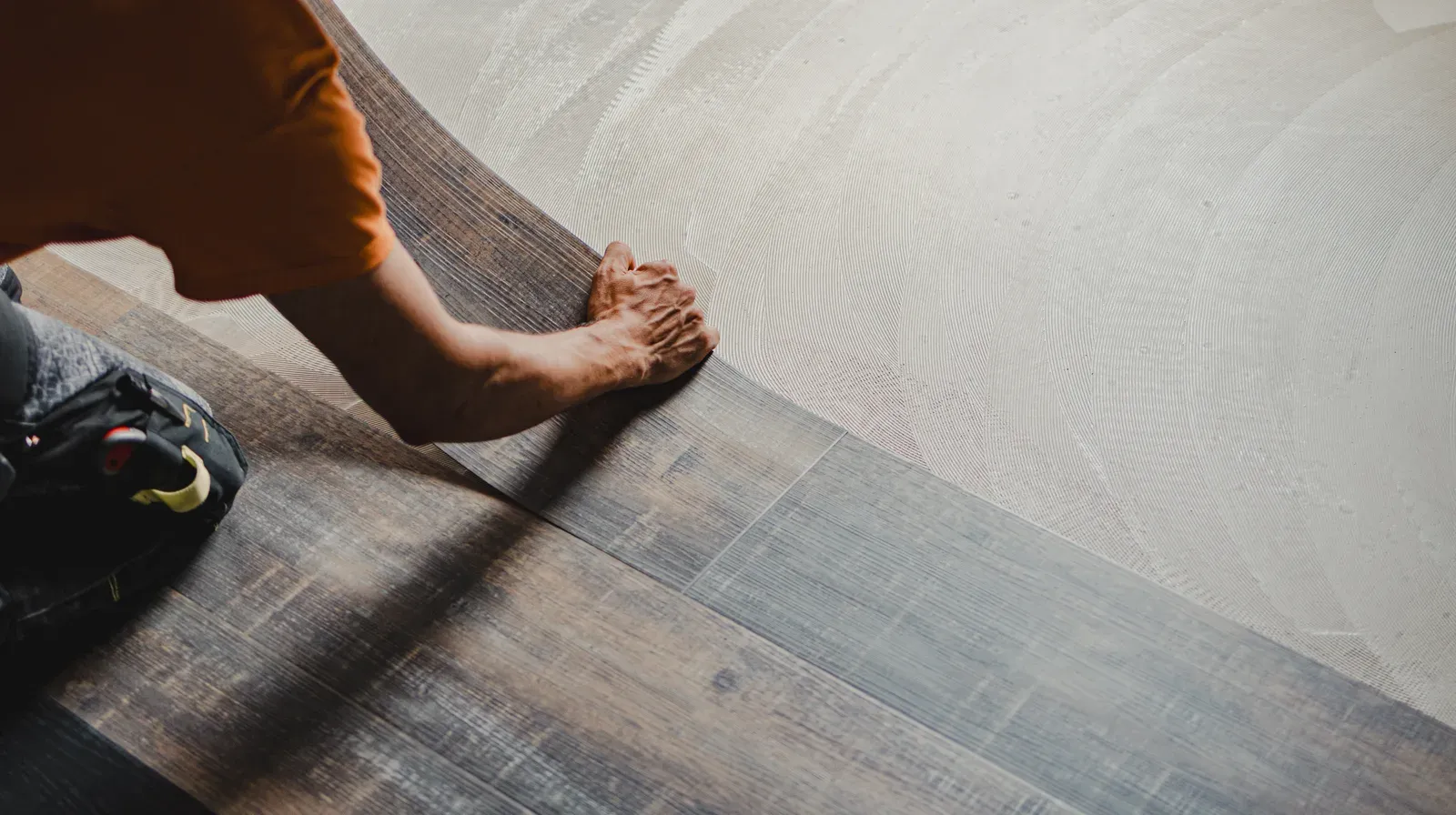
Flooring is the biggest decision. Luxury vinyl plank is our default at $4-$9 per square foot installed as of 2026 — it shrugs off standing water that would destroy hardwood or laminate, and it feels warmer than tile. Porcelain tile is the other survivor. Solid hardwood does not belong below grade, full stop; we cover the alternatives in our answer on the best flooring for a finished basement.
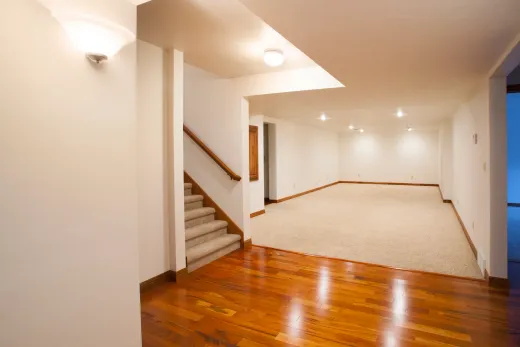
Behind the walls, choices compound. Moisture-resistant drywall costs roughly $24-$30 per sheet versus $11-$15 for standard board — cheap insurance for the bottom course. Rigid or closed-cell insulation handles damp far better than fibreglass batts against foundation walls. Keep drywall lifted off the slab, use PVC or composite baseboards in high-risk areas, and put storage on shelving rather than the floor. None of this makes a basement flood-proof. It makes the difference between a weekend cleanup and a $30,000 rebuild.
Insurance Realities for Finished Basements
Standard home policies in Ontario generally distinguish between overland water and sewer backup, and sewer backup coverage is typically an add-on endorsement — one worth confirming before you put $40,000 of finishes downstairs. Insurers in flood-prone Toronto pockets increasingly ask what protection is installed, and a permitted backwater valve and sump system can work in your favour at renewal time. Ask your broker directly; terms vary widely.
Two practical points from the renovation side. First, unpermitted work is a liability in a claim: if the basement bathroom or the wiring was never permitted or inspected, you have handed the insurer a reason to scrutinize the file. Permits protect your claim, not just your resale. Second, documentation pays. Photograph the basement after renovation, keep invoices, and keep your permit records — after a loss, proving what was there determines what you recover.
If you carry finished-basement contents worth real money — home theatre gear, a gym, an office — say so explicitly when setting coverage limits. The default numbers on older policies rarely reflect what a modern finished lower level actually costs to rebuild.
Rebuilding Smarter After a Flood
If you are reading this after a flood, the order of operations matters more than speed. Wet drywall and underlay need to come out fast — typically the bottom couple of feet at minimum — and the space needs to dry completely, verified with a moisture meter rather than a hand on the wall. Mould does not negotiate.
Then comes the step people skip in the rush to feel normal again: fix the cause before rebuilding. Rebuilding the same basement over the same unprotected drain line is how homeowners end up doing this twice. The insurance payout window is precisely the right moment to install the backwater valve and sump, apply the City subsidy, and upgrade to flood-resistant materials — the incremental cost is modest when the walls are already open.
When does professional help make sense? If your flood was sewer backup, if water entered through the foundation, or if you are planning to refinish at all, get the protection scoped by a licensed contractor before any drywall goes up. Our Toronto basement renovation team builds the protection stack and the finishes as one project, and our basement renovation cost guide shows what full rebuilds run in 2026. Every project carries our 2-year workmanship warranty.
Ready to start your renovation?
Our team is here to help you bring your vision to life. Get a free, no-obligation quote today.
Get Free QuoteFrequently Asked Questions
Clear answers to the questions Ontario homeowners ask most.