Basement Renovation Cost in Georgetown: 2026 Price Guide
From Delrex bungalows to Georgetown South two-storeys, finishing a basement here runs $20,000 to $75,000+ in 2026 — more for a registered suite. Here is the honest breakdown.
What a Basement Renovation Costs in Georgetown in 2026
Georgetown basement budgets track the GTA's 2026 bands: $35–$55 per square foot for a basic finish, $55–$80 per square foot once a bathroom is in the scope, and $90–$150 per square foot for a registered accessory apartment. A typical 700 sq ft basement works out to roughly $25,000–$38,000 basic, $40,000–$56,000 with a bathroom, and $65,000–$100,000+ as a legal suite — all before 13% HST, which most contractor quotes leave out.
Our basement renovation service in Halton Hills starts at $20,000, which covers a compact basic finish. Georgetown pricing generally sits below downtown Toronto's, but the gap is smaller than people expect because trades travel from across the western GTA. For the full line-item breakdown behind these bands, see our basement renovation cost guide.
Finishing Tiers: Rec Room, Full Living Space, Legal Suite
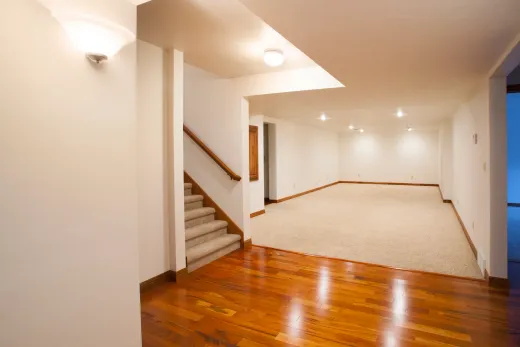
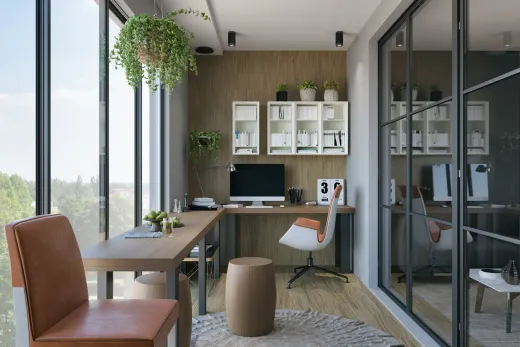
The basic tier — framing, insulation, drywall, lighting, flooring, paint — is where most Georgetown families start. It converts cold storage into a rec room, gym, or office without touching a drain.
The middle tier adds a 3-piece bathroom, which means cutting the slab, running new drains, and sometimes a sewage ejector. It typically adds $15,000–$20,000 over a basic finish of the same footprint, and it is the tier we recommend for households planning teenagers, guests, or an eventual in-law arrangement.
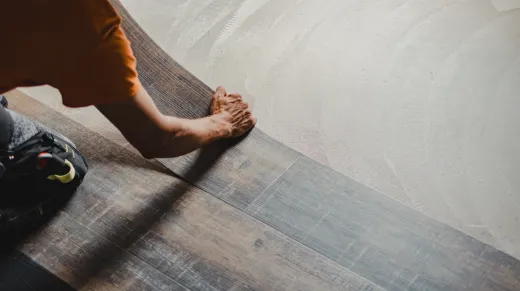
The top tier is a self-contained accessory unit: kitchen, separate entrance, fire separation, code egress, interconnected alarms. Halton Hills allows these but regulates them tightly, which we cover below. Whichever tier you choose, put real thought into the floor — basements want moisture-tolerant materials, and the best flooring for a finished basement is usually vinyl plank rather than the hardwood upstairs.
What Georgetown Basements Bring to the Table
Georgetown's basements sort neatly by neighbourhood. Delrex — built in the 1950s by Rex Heslop, the same builder behind Rexdale — and the mid-century bungalows and splits of Moore Park come from the asbestos era of finishes: plaster, duct wrap, and floor tile that should be lab-tested before any demolition in a pre-1990 home. Some of these houses still run smaller electrical services, and the 1960s–70s pockets at the edges of town fall inside the 1965–1976 aluminum wiring window; insurers accept ESA-permitted copper pigtailing, best done while the basement is open. Expect an older Delrex basement to carry $5,000–$15,000 of upgrade work a newer home won't.
Downtown Georgetown's century brick homes are the opposite problem: character upstairs, low ceilings and old foundations downstairs. Measure height before planning anything — lowering a floor is a five-figure project.
Georgetown South, built through the 1990s and 2000s, is the easy case: full-height poured foundations, no hazmat era, basements left unfinished by the builder. The watch items there are ordinary settlement cracks and lot drainage — worth correcting before drywall, cheap to ignore until it isn't.
Moisture, Ceiling Height, and Egress: The Big Cost Variables
Every basement budget in Georgetown should clear three gates before finishes are even discussed.
First, water. Freeze-thaw winters work on foundations here the same as everywhere in the GTA, and finishing over seepage is how you buy the same renovation twice. Diagnose and fix moisture first — grading, downspouts, crack injection, or interior drainage depending on the cause.
Second, height. Georgetown South homes clear code comfortably; Delrex and the downtown century homes may not. Where a floor genuinely must come down, underpinning runs $350–$480 per linear foot in the Toronto area, with bench footing a cheaper alternative that costs perimeter floor space.
Third, egress. Ontario's code requires any basement bedroom window to give a clear opening of at least 0.35 m² with no dimension under 380 mm, openable from inside without tools, and window wells need roughly 760 mm of clearance. A new egress window installed in an existing foundation typically costs $3,000–$7,000. The full egress window size requirements are worth reading before you commit a bedroom to the plan.
One Georgetown-specific wrinkle: parts of town near the Credit River and its valleys fall under Credit Valley Conservation regulation. A basement walkout or regrading in a regulated area needs conservation authority permission on top of the building permit — and CVC's 2024 mapping update changed the boundaries, so check the current mapping even if your street was regulated before.
Permits and Second-Unit Rules in Halton Hills
Halton Hills requires a building permit for basement renovations and for creating an accessory apartment in an existing house; only cosmetic-only work with no structural, plumbing, or partition changes can skip it. The Town publishes an annual Building Services fee schedule and the minimum permit fee includes plan review and two inspections — confirm current rates with the Town's building department before budgeting, since schedules update yearly. Electrical work is separate: your licensed electrical contractor files an ESA notification, typically $90–$300 built into their quote.
Second units come with real rules here. Registration of two-unit houses is mandatory by by-law, and operating an unregistered unit can draw fines up to $50,000. The unit is capped at the lesser of 40% of the dwelling's floor area or 110 m², needs at least one additional parking space, and a side-yard entrance is allowed provided there is a 1.2 m clear path from the front of the house. Provincially, Bill 23 permits up to three units as-of-right on most serviced lots and exempts them from development charges. Build to code — fire separation, egress, alarms — then register the second unit to make the rental legal.
Budgeting a Georgetown Basement: The Sensible Order
Settle the use first, because the tier drives everything: a rec room and a registered suite are $40,000+ apart on the same footprint. If income is even a maybe, rough in the bathroom and suite plumbing during the first build — retrofitting later costs multiples.
Then follow the order that saves money: moisture assessment, hazmat testing for pre-1990 homes, electrical review for Delrex-era houses, drawings, permit, build. Keep a 10–20% contingency; older Georgetown basements have a way of revealing surprises once ceilings open.
A basic finish makes sense when you need space and the house is a keeper. A suite makes sense when the lot supports a compliant entrance and parking space, and you will hold the home long enough for rent to repay the premium — Georgetown's commuter demand along the GO line helps that math. We have been finishing basements across the GTA since 2004, licensed, insured, and WSIB covered, with a 2-year workmanship warranty. Request a free quote through our contact form and we will price your basement tier by tier.
Ready to start your renovation?
Our team is here to help you bring your vision to life. Get a free, no-obligation quote today.
Get Free QuoteFrequently Asked Questions
Clear answers to the questions Ontario homeowners ask most.