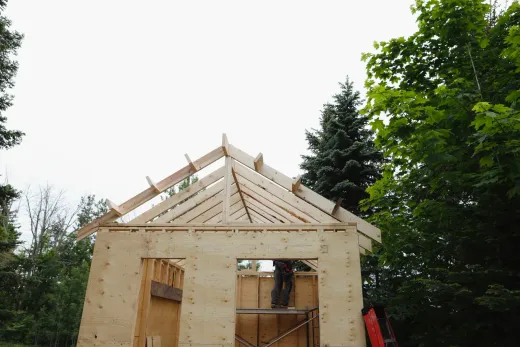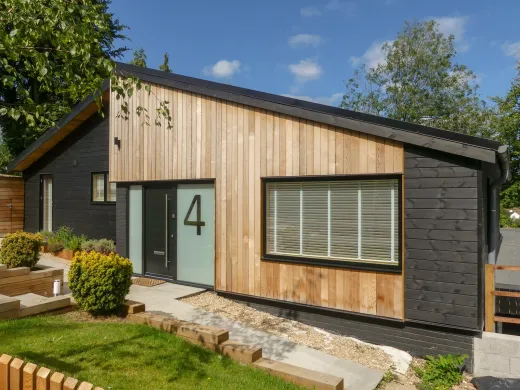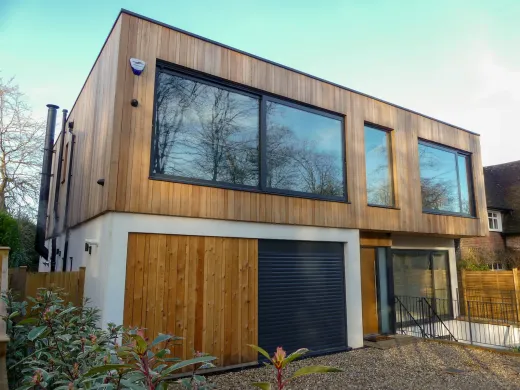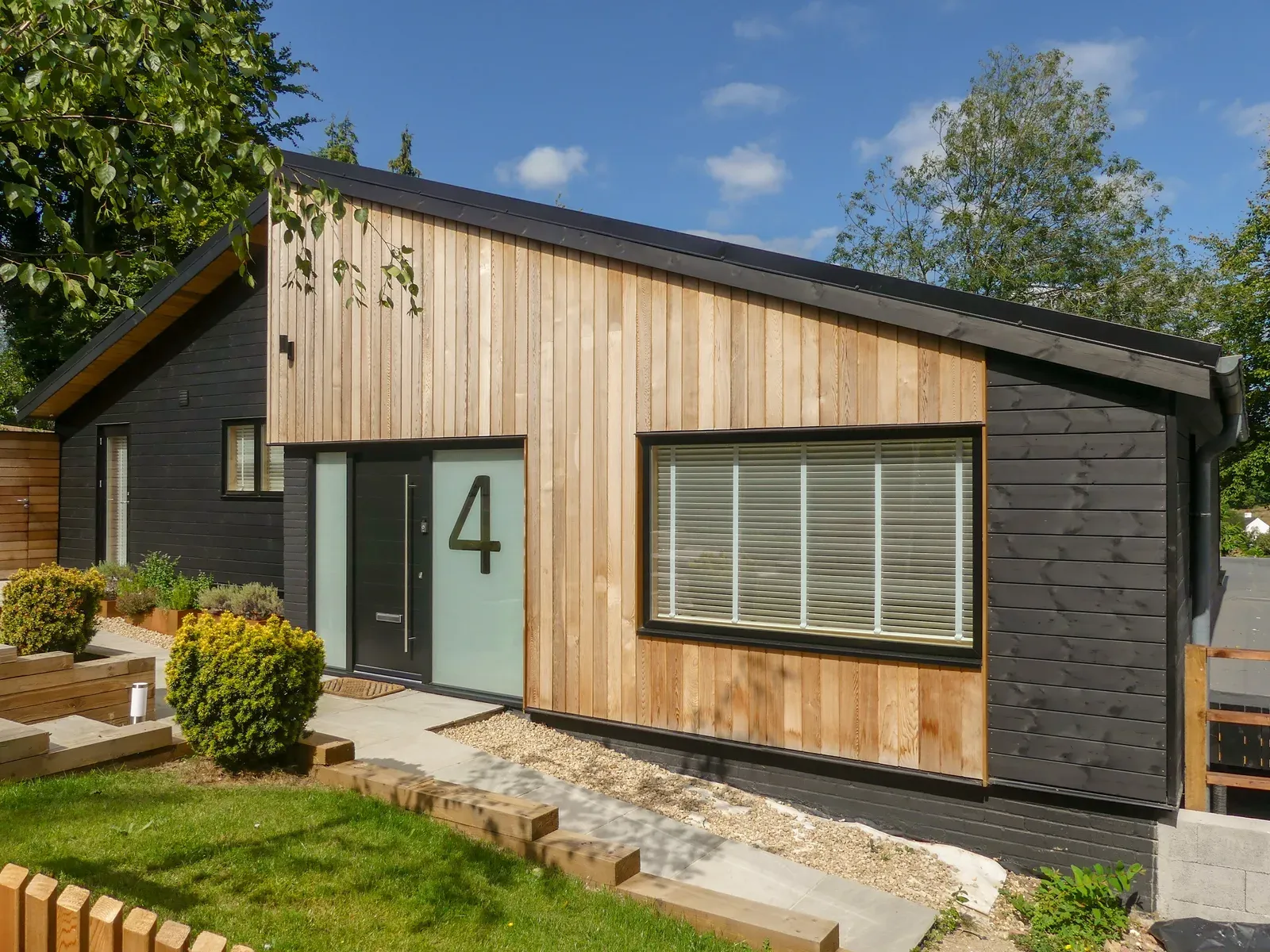
A garden suite runs $275,000–$550,000 all-in for most GTA builds. Here's how homeowners actually fund it — HELOCs, CMHC's 90% insured refinance, the 2% federal loan, and how to stack them.
The Funding Gap Most Owners Start With
A garden suite is the biggest cheque most homeowners will ever write after the house itself. In the GTA, builds start around $180,000 for a compact, modestly finished suite, and most completed projects land between $275,000 and $550,000 depending on size and finish — roughly $400–$650 per square foot as of 2026. Soft costs arrive first: surveys, engineering drawings, arborist reports, and utility connections typically add $25,000–$70,000 before construction starts, even though the City of Toronto building permit itself is only about $644.
Almost nobody funds that from savings. The good news is that a garden suite is one of the few renovations lenders actively like, because the finished project adds a rentable, self-contained unit to your property. The financing question is really a matching problem: which source of money lines up with your equity position, your timeline, and how your builder bills. We cover what a garden suite costs in Toronto in detail elsewhere; this post is about how people actually pay for one.
HELOC: The Flexible Default
A home equity line of credit is the workhorse of garden suite financing, and for good reason. Construction billing is staged, so you draw only what each invoice requires and pay interest only on what you have drawn. There is no penalty for lump-sum repayment later — useful if you plan to refinance once the suite is finished and rented.
The limits are real, though. Lenders cap a HELOC well below your home's full appraised value once your existing mortgage is subtracted, so owners carrying a large mortgage balance often can't reach garden-suite money on a line of credit alone. Rates float with prime, which makes a build that spans two seasons harder to budget precisely. And the bank approves the credit line against your house as it stands today — the future suite adds nothing to that calculation.
If you're weighing a line of credit against breaking your mortgage, we've compared HELOC versus refinancing for a Toronto renovation — the trade-offs carry over directly to suite construction.
Insured Refinancing Against As-Improved Value
Since January 15, 2025, CMHC has allowed insured refinancing up to 90% loan-to-value specifically to fund construction of additional units, on properties valued up to $2 million. That is a meaningful change. A conventional refinance stops at 80% of today's value; the insured route reaches further, and under the program's rules the appraisal can reflect the property's as-improved value — what your home plus the finished suite will be worth.
For owners whose equity looked too thin for a HELOC, this can be the difference between building and not building. The trade-offs: you pay an insurance premium, you're breaking or blending your existing mortgage, and lenders administer the program differently — some are more comfortable with as-improved appraisals than others. Program terms have already evolved since launch, so treat the details as a conversation with a mortgage broker rather than a fixed menu. Bring drawings and a written builder's quote to that conversation; lenders advance money against specifics, not intentions.
Construction Draws and How Builders Bill
Whatever money you arrange has to be liquid when invoices land, because garden suite builders bill in milestones. A typical schedule looks like a modest mobilization deposit, then progress payments at stages such as foundation complete, framing and lock-up, mechanical rough-ins, and finishes, with a final payment at completion. Ontario has established norms around deposits and staged billing — we've laid out what a normal renovation deposit and payment schedule looks like in Ontario, and the same logic governs suite construction.
Match the financing to that rhythm. A HELOC handles draws naturally. A refinance pays out as one lump sum, which means you'll be holding six figures in an account for months — workable, but plan for it. Some lenders offering construction-style products advance funds in stages tied to inspections; ask how quickly each advance is released, because a slow lender can stall a fast builder. Before signing anything, get the draw schedule in writing from both sides and check that the two documents actually line up.
Stacking: Combining Sources Sensibly
Most successful projects combine two or three sources rather than forcing one to do everything. Worth knowing as of 2026:
- The federal Canada Secondary Suite Loan offers up to $80,000 at 2% over 15 years for adding a legal secondary suite. It won't fund a whole build, but it is the cheapest $80,000 in the market. Conditions apply — the suite must be new, legal, and not used as a short-term rental — and intake details change, so confirm current status with CMHC.
- Development charges are largely off the table: under provincial Bill 23 reforms, most additional residential units are exempt from development charges, and Toronto runs a deferral program covering garden suites — savings that can reach tens of thousands of dollars.
- Hamilton has offered a grant of up to $40,000 per unit covering 70% of eligible costs for ADUs through its incentive program; funding windows open and close, so verify current intake before counting on it.
- Toronto's forgivable Affordable Laneway and Garden Suites loan has been discontinued — don't build a budget around older articles that still mention it.
Keep a 10–20% contingency outside all of it. Stacked financing fails when every dollar is committed before the first surprise shows up in the excavation.
Matching Financing to Your Build Timeline
The right structure follows your situation. Lots of equity and a smaller build: a HELOC alone is simple and cheap to set up. Equity stretched thin but strong income: the insured refinance route was designed for you. Planning to rent long-term: layer the 2% federal loan on top of either. In every case the financing conversation goes better with real numbers, which means getting drawings and a fixed, itemized quote before you commit to a lender.
That's the order we recommend: feasibility first, then design and a firm price, then financing, then permits. Our garden suite building guide for Ontario walks through the whole sequence, and our design-build garden suite service produces the drawings, quote, and staged payment schedule lenders want to see. We've been building in the GTA since 2004 and back our work with a 2-year workmanship warranty. Call (416) 995-7855 or send a free quote request — a real number is the first thing your broker will ask for.
Ready to start your renovation?
Our team is here to help you bring your vision to life. Get a free, no-obligation quote today.
Get Free QuoteFrequently Asked Questions
Clear answers to the questions Ontario homeowners ask most.