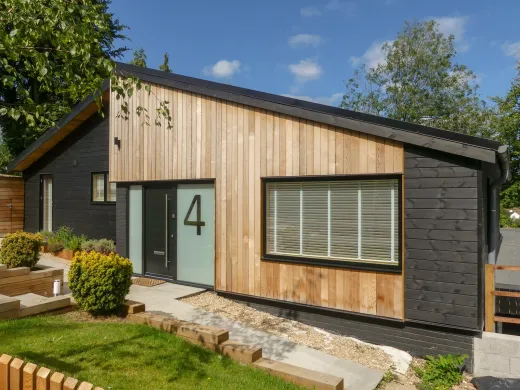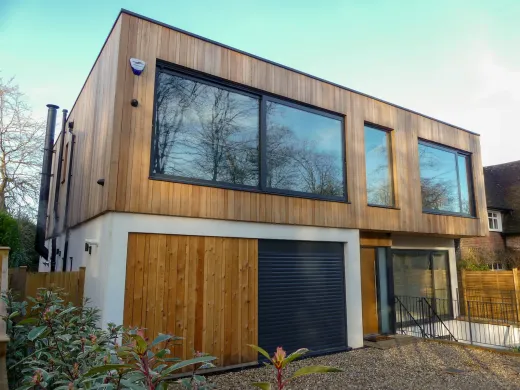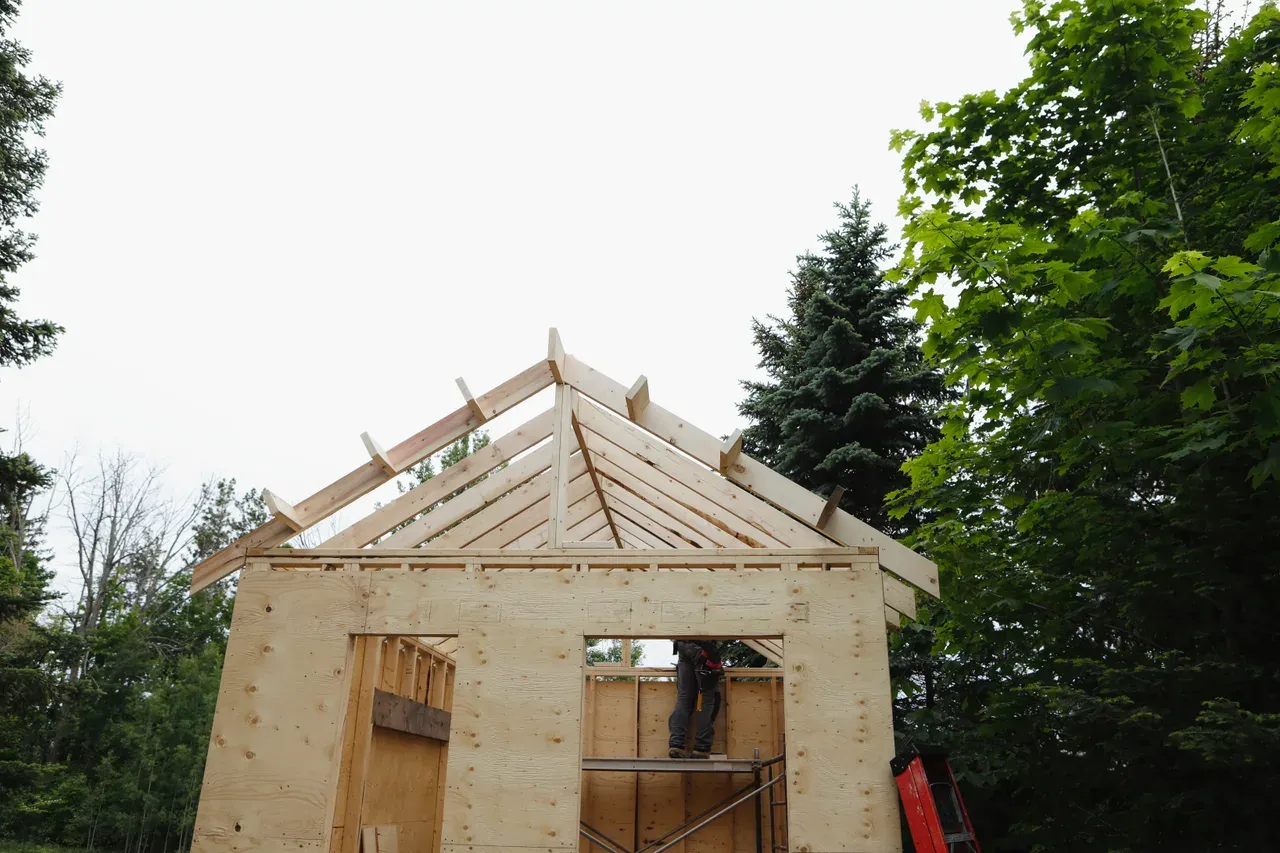
We build garden suites twelve months a year. Winter changes the sequence and adds a few line items — it doesn't stop the work. Here is what a cold-season build actually looks like in the GTA.
Can You Build Through an Ontario Winter? Yes, With Planning
Garden suites get built through GTA winters every year, including by us. The construction industry here doesn't hibernate — houses, additions, and suites go up in January just as they do in June. What winter changes is sequencing, a handful of cost line items, and the amount of schedule buffer a responsible builder carries.
The practical summary up front: get the foundation and servicing trenches done before the ground freezes hard, close in the shell so the building can be heated, then run the entire interior — the majority of the work — in comfort while snow sits on the new roof. Done in that order, a winter build finishes on a schedule competitive with a summer one, often with better trade availability because the season is quieter.
What you should not do is start excavation in mid-January without winter provisions priced, or accept a quote that ignores the season entirely. The rest of this post covers what those provisions are and what they cost you in money and weeks — and why our favourite garden suite schedule in the GTA actually starts in the fall.
Foundations and Frost: The Critical Timing
Everything about winter construction revolves around the ground. Footings in this part of Ontario must bear below frost depth — roughly four feet down in most of the GTA — because soil that freezes and thaws heaves, and a foundation resting in that zone moves with it. Freeze-thaw is the same force that potholes our roads every March, and it treats shallow concrete no differently.
Pouring concrete in the cold is a solved problem: heated enclosures, insulated blankets, admixtures, and short windows of milder weather are standard tools, and cured winter concrete is every bit as strong. But solving it costs money, so the smart move is timing the pour rather than fighting the freeze. Ground that hasn't frozen digs quickly; frozen ground needs mechanical breaking or ground-thawing equipment, and both show up on your invoice.
Servicing trenches follow the same logic. Water and sanitary lines run below frost depth anyway, and trenching before freeze-up is dramatically easier — one more reason water, sewer, and hydro connections belong early in the schedule. Get concrete and trenches done by early winter and the season's hardest problems are already behind you.
Temporary Heat and Winter Premiums
A winter build carries costs a July build doesn't, and an honest quote shows them as line items rather than burying or omitting them:
- Temporary heat — propane or electric heaters running while concrete cures, drywall compound dries, and finishes acclimatize
- Hoarding and enclosures — tarped and framed protection so trades work through weather and materials stay dry
- Snow clearing on the site and access path, and winter protection for delivered materials
- Ground thawing or frost breaking, if excavation slides past freeze-up
None of these are large next to a project that typically runs $275,000–$550,000 all-in in the GTA — but they're real, and their absence from a competing quote usually means a surprise later, not a saving. Interior moisture management is the subtle one: drywall mud and paint dry slowly in cold, damp air, so proper heat and ventilation during finishing protects both the schedule and the quality of the work. Rushing finishes in an underheated building is how you get cracked seams and failed paint by spring.
Winter also gives back some of what it takes: the season is quieter across the trades, scheduling is easier, and a crew that isn't juggling six summer projects shows up when promised.
Which Phases Winter Doesn't Touch
Once the shell is closed and heated, winter becomes irrelevant. Consider what remains at that point: electrical rough-in, plumbing, insulation, drywall, tile, flooring, kitchen and bathroom installation, trim, paint, fixtures — most of the labour hours in the whole project, all indoors.
Framing itself is also fine in the cold; carpenters frame year-round, pausing only for high winds or heavy snowfall days. Roofing and window installation carry on in winter with material-specific handling. Inspections continue on their normal booking cycles — the building department doesn't take the season off.
What genuinely waits for warmth is a short list: exterior painting and some sealants have minimum application temperatures, final grading wants unfrozen ground, and sod, planting, and driveway or walkway surfaces belong to spring. On a winter-finished suite we take occupancy first and return for landscaping when the ground thaws — a return visit that should be written into the contract, not left as a verbal promise.
That split is the key insight: winter constrains a few weeks of exterior work at the start and some landscaping at the end. The months of interior construction between them proceed exactly as they would in July.
The Fall-Start Strategy That Beats Spring Rushes
Our favourite garden suite schedule in the GTA starts in the fall, and the logic runs backwards from frost. Design and drawings happen over the summer. The permit application goes in with time for review — straightforward residential permits realistically take from several weeks to a couple of months in Toronto depending on completeness, and every resubmission adds a cycle, so confirming your backyard qualifies and getting the survey and arborist work done early keeps the file clean. Excavation, servicing trenches, and foundation land in October–November on unfrozen ground. The shell closes by the deep freeze, interior work runs all winter, and the suite finishes as the ground thaws — landscaping follows, tenant or family moves in for spring.
Compare that with the spring start everyone defaults to: you're applying for permits in the new year alongside every other homeowner who spent the holidays planning, digging when spring rain has yards at their muddiest, and competing for trades in their busiest season, with the finish pushing into the next winter.
The fall start uses the calendar instead of fighting it. It's the single most useful scheduling advice in our Ontario garden suite builder guide, and it's why our best-run winter builds began as summer design conversations.
Realistic Winter Buffers — and When to Just Wait for Spring
A winter schedule needs honest padding. Weather days for framing, roofing, and crane or delivery work; slower curing and drying times; holiday shutdowns in late December that quietly remove one to two working weeks — a responsible builder puts a few weeks of named buffer into a winter schedule and tells you where it sits. Be suspicious of a winter timeline identical to a summer one; it means weather risk hasn't been priced, only postponed.
When does waiting for spring genuinely make sense? If your permit won't issue until mid-winter, starting excavation into deep frost buys premiums with little payoff — better to be first out of the ground in March with drawings finalized and trades booked. If the build is prefab-modular and the crane window is weather-critical, spring may suit. And if budget is stretched to the last dollar, removing winter line items is a legitimate saving.
For everyone else, the season is a scheduling variable, not a barrier. Where winter costs sit within the full budget is laid out in our Toronto garden suite cost guide. If you want your suite finishing as the tulips come up, talk to our garden suite build team in the summer — the fall foundation window rewards early starts, and the design work costs the same in any season.
Ready to start your renovation?
Our team is here to help you bring your vision to life. Get a free, no-obligation quote today.
Get Free QuoteFrequently Asked Questions
Clear answers to the questions Ontario homeowners ask most.