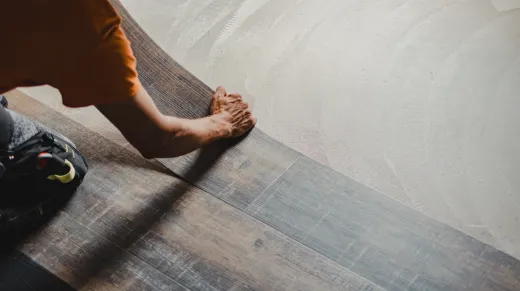
Both look identical on day one. Twenty years, three humid summers and one condo slab later, the differences are everything. Here is how we choose between solid and engineered hardwood.
The Real Difference: Construction, Not Looks
Solid hardwood is one piece of wood, typically three-quarters of an inch thick, nailed to a wooden subfloor. Engineered hardwood is a real-wood veneer — the wear layer — bonded over a plywood or high-density core. Once installed, the two are visually indistinguishable; the surface of a quality engineered board is the same oak, maple or walnut you would get in solid.
The construction difference decides everything else. Solid wood moves with moisture: it swells across its width in humid GTA summers and shrinks in dry, furnace-heated winters. The layered core of an engineered board is dimensionally stable, so it tolerates humidity swings, concrete slabs and radiant heat that would ruin solid boards. In practice, the question is rarely "which is better wood" — it is "what is under the floor, and how long do you want it to last?" People often lump engineered hardwood in with vinyl plank; they are entirely different products, as we explain in engineered hardwood vs LVP.
Installed Cost in the GTA: Where Each Lands Per Sq Ft
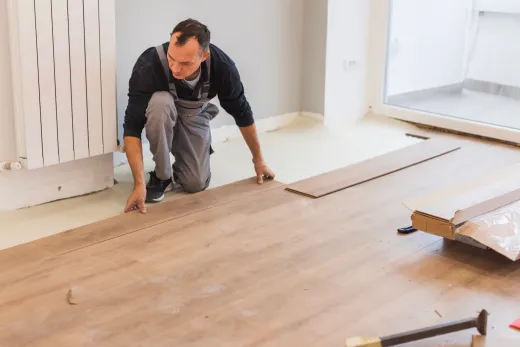
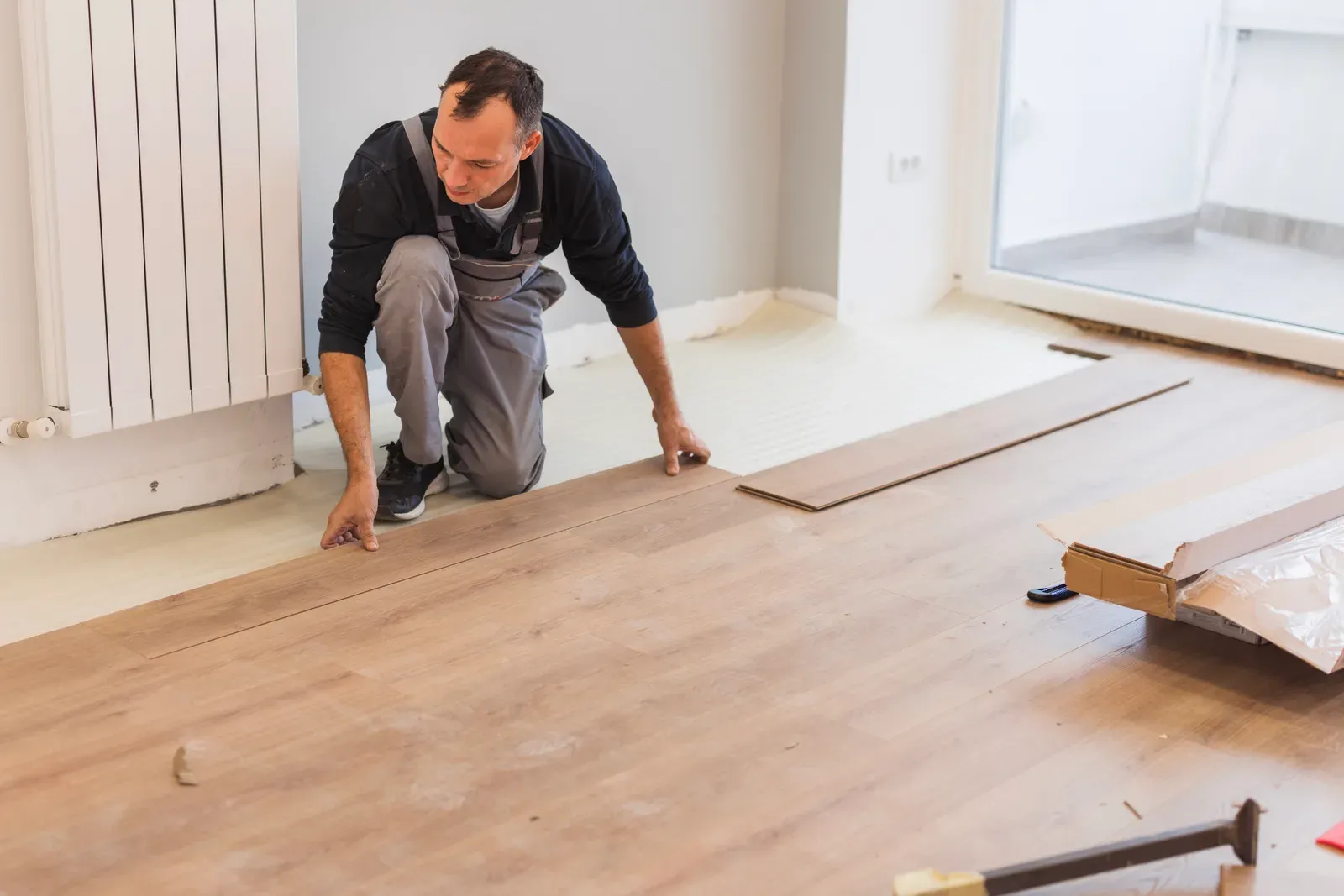
As of 2026 in the GTA, solid hardwood runs $8–$15 per square foot supplied and installed — materials $5–$12, labour $3–$6. Engineered hardwood largely overlaps it at roughly $7–$13 installed, with the price driven by wear-layer thickness and plank width rather than by the format itself. Installation labour is essentially the same for both, about $2 per square foot at independent GTA flooring retailers for straightforward nail-down or click installs; glue-down over concrete costs more.
The practical takeaway: do not choose engineered expecting big savings. Entry-level engineered undercuts solid, but a wide-plank engineered board with a thick wear layer costs as much as — sometimes more than — plain solid oak. Choose on suitability and lifespan, not sticker price. For full project math including stairs, transitions and removal, see our flooring cost guide.
Refinishing Lifespan: Solid's Big Long-Term Edge
This is where solid hardwood earns its keep. A three-quarter-inch solid board can be sanded and refinished repeatedly over its life — and refinishing costs $4–$9 per square foot in Toronto, a fraction of replacement. The century-old oak strip still serving in Riverdale semis and Hamilton's Durand district has been sanded multiple times and keeps going. Buy solid once, and with periodic refinishing it can outlast the mortgage.
Engineered boards can only be sanded as far as the wear layer allows. Thin-veneer products are effectively one-and-done — scratch through the surface and you are replacing, not refinishing. Thicker wear layers take light refinishing, which is exactly why they cost more. If you are comparing engineered products, wear-layer thickness is the spec that matters most on the sample label.
Run the thirty-year math and the formats converge in a way the sticker price hides: solid absorbs a kitchen renovation, a dog and two refinishes and keeps going, while a thin engineered floor may be on its second full replacement in the same window. For long-hold family homes, that lifecycle gap is the strongest argument solid has.
Either format still needs stable indoor humidity to stay flat; the seasonal movement problems we get called about are covered in why hardwood floors cup and gap.
Where Engineered Wins: Concrete, Condos and Humidity Swings
Three situations take solid hardwood off the table entirely:
- Concrete slabs. Solid must be nailed to wood; condo floors and slab-on-grade levels need engineered, glued or floated.
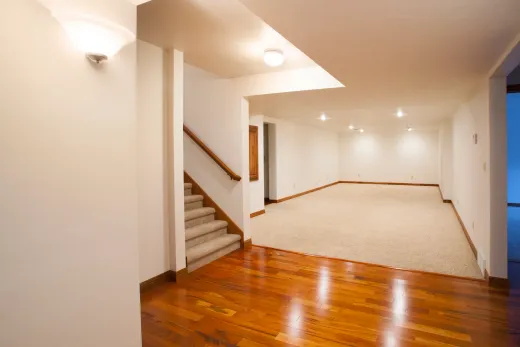
- Below grade. Basement slabs release moisture year-round — engineered over a vapour barrier is the only wood option, and even then only in dry basements.
- Radiant floor heat. Heat cycling makes solid boards gap; radiant-rated engineered products handle it.
Engineered also simply behaves better through the GTA's climate whiplash — humid lake-effect summers into weeks of minus-fifteen with the furnace running dry the house dramatically, and wide solid planks show it first. In condos there is a second constraint: boards require a sound-rated acoustic underlay before approving any hard flooring, and engineered floating floors pair with those underlays cleanly. If your project is above a wood subfloor in a detached house, both formats are open to you; anywhere else, the building usually decides for you.
Resale Perception in the Toronto Market
Buyers and agents in the Toronto market say "hardwood" and mean both. A listing with quality engineered oak throughout shows and photographs identically to solid, and no buyer walks a showing with a moisture meter. What buyers do notice is condition and consistency: worn finishes, dated orange-toned stain, and a patchwork of materials between rooms drag an offer down more than the solid-versus-engineered distinction ever will.
Where solid carries extra weight is the older-home market. In Edwardian and Victorian neighbourhoods, original refinished floors are a selling feature with genuine character value — restoring them beats replacing them, for cost and for resale. In condos and newer builds, engineered is simply the expected standard. Wood floors in main living areas remain one of the safer flooring investments among renovations that increase home value; the format matters far less than the quality of the install.
Our Recommendation by Home Type and Floor Level
After two decades of installing both across the GTA, our defaults:
- Detached or semi, main and second floor, wood subfloor: solid hardwood if the budget allows — the refinishing lifespan wins the long game. Engineered is a fair alternative for wide-plank looks.
- Condos: engineered over acoustic underlay. Full stop.
- Basements: engineered only if the slab is provably dry; otherwise vinyl plank.
- Over radiant heat: radiant-rated engineered.
- Century homes with original floors: refinish what is there before buying anything.
Houses move, humidity swings, and a good installer accounts for both — acclimatization, expansion gaps and the right fastening method matter more than the brand on the box. We supply and install both formats through our hardwood flooring installation service, with flooring projects from $5,000 across Toronto and the GTA. Call (416) 995-7855 or request a free quote and we will recommend the right format for your subfloor, not the one with the better margin.
Ready to start your renovation?
Our team is here to help you bring your vision to life. Get a free, no-obligation quote today.
Get Free QuoteFrequently Asked Questions
Clear answers to the questions Ontario homeowners ask most.