Does Finishing a Basement Add Value in the GTA? Real Numbers
A finished basement is the cheapest livable square footage you can add to a GTA house. Whether it pays you back depends on what you build, how you permit it, and who you eventually sell to.
What Finished Basements Return at GTA Resale
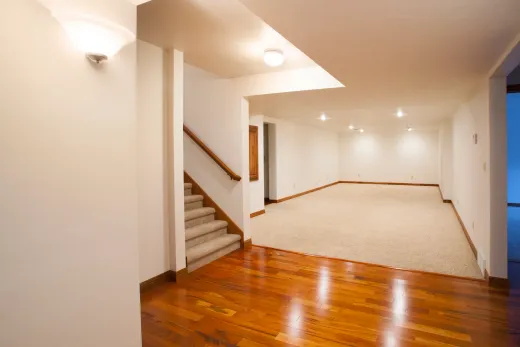
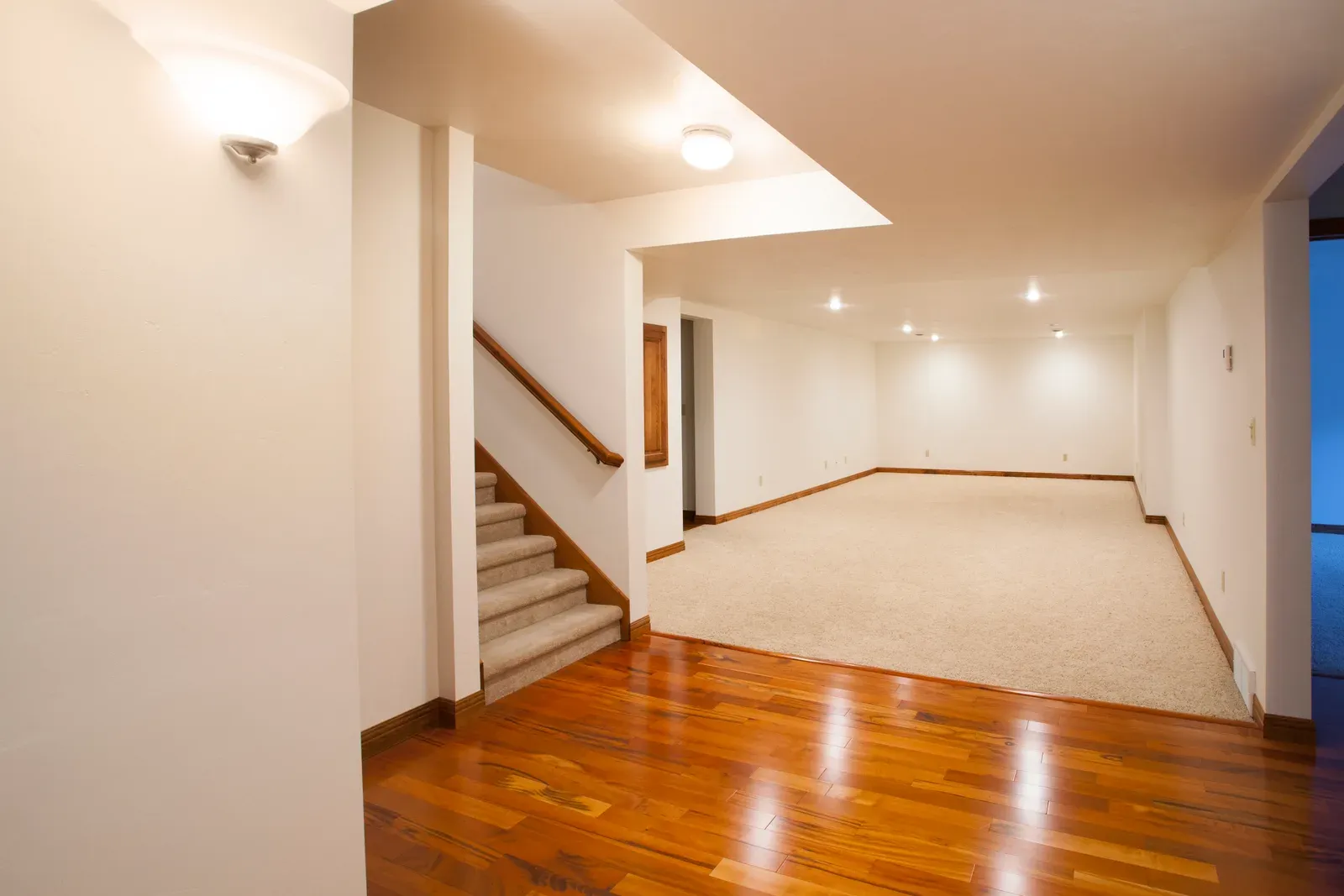
Start with the cost side, because it frames everything. As of 2026, a basic basement finish in the GTA runs $35-$55 per square foot. Add a bathroom and mid-range finishes and you are in the $55-$80 range. A legal secondary suite build-out runs $90-$150 per square foot. A compact basic finish starts around $20,000; a 700 sq ft basement can span roughly $25,000 for a simple rec room to $100,000+ for a legal apartment. Our full basement renovation cost guide breaks these tiers down line by line.
On the value side, we will be honest where a lot of blogs are not: nobody can promise you a fixed resale percentage. What we see in practice, after twenty years of renovating across Toronto and the GTA, is that a dry, permitted, well-lit finished basement helps a house sell faster and compete against similar listings — and a basement with income potential changes the buyer pool entirely. A dark, damp, unpermitted one can actually cost you at the negotiating table.
The Suite Premium: Income Changes the Math
A rec room is a lifestyle upgrade. A legal basement apartment is an asset, and buyers price it that way.
Since Ontario's Bill 23 reforms, up to three residential units are permitted as-of-right on most serviced residential lots, and additional residential units are exempt from development charges — a saving that used to run into tens of thousands. The build itself costs more ($90-$150 per square foot once you account for fire separation, egress, kitchen plumbing, and a separate HVAC strategy), but you are creating something a plain finish never can: monthly income a purchaser can put toward their mortgage qualification conversation with their lender.
We walk through the numbers in more detail in our answer on basement apartment rental income in the GTA. The short version: investors and house-hackers actively search for homes with legal suites, and post-war bungalows in Etobicoke and Scarborough — which often have full-height basements that skip the cost of underpinning — are the best candidates we see. If that is your goal, plan it as a legal basement apartment from day one rather than upgrading a rec room later.
What Buyers Credit vs What They Ignore
Buyers walk downstairs with a mental checklist, and it is shorter than most sellers think.
- They credit: a dry space with no musty smell, decent ceiling height, permitted work with a closed permit, a full bathroom, real windows, and durable flooring that feels warm underfoot.
- They discount or ignore: dated 1990s finishes, drop ceilings under 7 feet, a "bedroom" with no compliant egress window, carpet over bare concrete, and any hint of past water staining along the baseboards.
That egress point matters more than people realize. A basement bedroom needs an unobstructed window opening of at least 0.35 square metres with no dimension under 380 mm under the Ontario Building Code. Without it, your listing agent cannot honestly market the room as a bedroom, and buyers will value it as a den. The same logic applies to the bathroom: a roughed-in but unfinished bathroom gets almost no credit, while a finished one gets full credit. Buyers pay for done, not for potential.
The Appraisal Reality: Below-Grade Discounts
Here is the part that surprises sellers: appraisers and real estate boards treat below-grade square footage differently from above-grade space. A 700 sq ft finished basement does not get counted like 700 sq ft of main floor. It shows up as a feature and an adjustment, not as equivalent living area. That is why finishing a basement rarely returns dollar-for-dollar on a straight appraisal — and why the smart play is spending in the tiers where the market gives credit rather than gold-plating a lower level.
Paperwork is the other appraisal reality. An open building permit surfaces in title and status searches, and it complicates both resale and insurance claims. If your basement work involved structural changes, new plumbing, or a new unit, it needed a permit — and that permit needs a final inspection to close. Unpermitted finished basements are one of the most common problems we get called to untangle, and the retroactive fix always costs more than doing it right, since inspectors can require finished work to be opened up.
Finishing for Your Family vs Finishing to Sell
The right budget depends on your timeline in the house.
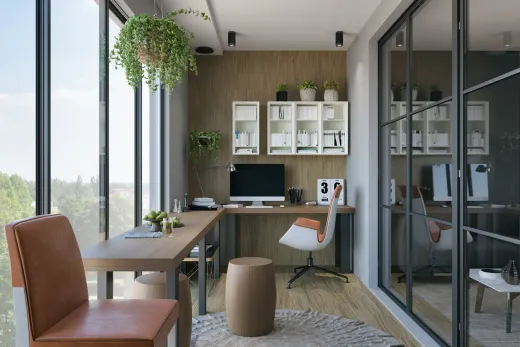
If you are staying five or more years, finish for your family and let resale be a bonus. This is where a home theatre, a gym, or a hobby room earns its keep — you will use it for a decade, and even if the next buyer converts it, the drywall, electrical, and bathroom underneath carry their value. In Vaughan and Markham subdivisions from the 1990s and 2000s, an unfinished basement is often the last big piece of usable space in the house, and families get enormous daily value out of it.
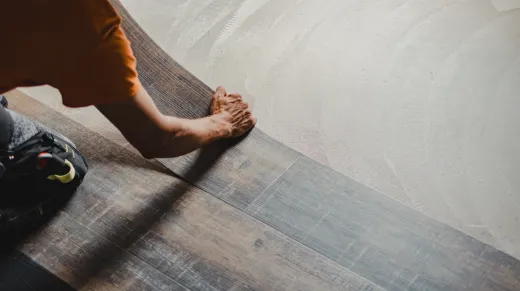
If you are selling within a year or two, resist the urge to personalize. A bright, neutral open space with a three-piece bathroom, pot lights, and vinyl plank flooring appeals to the widest pool. Skip the built-in bar, skip the themed theatre, and put the savings into the things buyers actually check — moisture, height, and permits. Our guide to renovations that increase home value ranks basement work against kitchens and bathrooms if you are choosing where a limited budget goes.
Budget Sweet Spots That Protect Resale Return
After hundreds of GTA basements, these are the budget bands we steer clients toward.
For pure family use with an eye on resale, the $35-$55 per square foot basic tier — good lighting, proper insulation, durable flooring, neutral paint — protects your downside. Adding a bathroom into the $55-$80 tier is almost always worth it; buyers weight a lower-level bathroom heavily. The $90-$150 legal-suite tier only makes sense if you or the next owner will actually rent it, but when it fits, it is the strongest return of the three.
Two non-negotiables at every tier. First, solve moisture before finishing anything — a beautiful basement over a damp foundation is money burned. Second, carry a 10-20% contingency, especially in pre-1980 homes where old wiring or hidden water damage tends to surface once walls open. If you want a scoped price for your own lower level, our basement renovation team provides free quotes, and every project carries our 2-year workmanship warranty.
Ready to start your renovation?
Our team is here to help you bring your vision to life. Get a free, no-obligation quote today.
Get Free QuoteFrequently Asked Questions
Clear answers to the questions Ontario homeowners ask most.