Not every renovation dollar comes back when a Toronto condo sells. After two decades of pre-sale renovations across the GTA, here is how we rank floors, kitchens, and bathrooms for resale return.
How Condo ROI Differs From House ROI
House renovations create value by adding usable space — a finished basement, an addition, a legal suite. A condo cannot grow. Your square footage is fixed, so every dollar of return has to come from finish quality, condition, and how your unit shows against others in the same building.
That last part is the key mechanic. When your unit sells, buyers are comparing it directly against identical or near-identical floorplans that sold last quarter, some original, some renovated. The gap between a tired 2005 unit and a properly renovated one on the same stack is visible in a single walkthrough, and it is the cleanest ROI comparison in real estate.
The practical ceiling matters too. A full-unit renovation in Toronto typically runs $70,000–$120,000 as of 2026, but a resale-focused refresh can be a fraction of that — single-area projects start around $15,000. The Toronto condo renovation cost guide shows the full breakdown; this post is about which slices of it come back.
The Ranking: Floors and Paint First, Then Kitchens, Then Baths
Ranked by return per dollar spent, based on what we see units sell for after we hand back the keys:
- Paint — $1.80–$4.50 per square foot of wall area. Nothing else changes buyer perception this cheaply.
- Flooring — luxury vinyl plank installs for $4–$9 per square foot, plus $2–$4 per square foot for the acoustic underlay most boards require. Continuous hard flooring through a 600–700 sq ft unit transforms it.
- Lighting and hardware — swapping builder-grade fixtures and cabinet pulls is small money with outsized photo impact.
- Kitchen — full renovations start around $25,000, but cabinet refacing or spraying plus new quartz counters captures much of the effect for far less. Cabinet spraying alone runs $3,000–$7,000, and refacing typically saves 40–50% versus replacement.
- Bathroom — full renovations from $15,000. High return when the existing bath is genuinely dated; lower when it just needs regrouting and a new vanity.
The pattern: surfaces first, rooms second. Buyers price condos on first impressions, and surfaces are the first impression.
Building Tier Matters: Match Finishes to the Lobby
The over-improvement trap catches more condo owners than any pricing mistake. A $90,000 custom kitchen in a building where renovated units sell for $40,000 more than original ones is a $50,000 donation to the next owner.
Our shorthand: your finishes should match your lobby. A mid-tier building along the Yonge or waterfront corridors supports quartz, quality LVP or engineered wood, and semi-custom cabinetry. Luxury gut renovations — $150,000 and up — belong in buildings whose recent sales prove buyers pay for them: premium addresses where comparable renovated units close at prices that support the spend.
Before we quote a resale-motivated project, we ask clients to pull the last six months of sales in their own building, renovated versus original. That spread — not a magazine feature — is your real budget ceiling. If the spread is $60,000, a $45,000 renovation makes sense and a $100,000 one does not, no matter how beautiful. The guide to renovations that increase home value applies the same logic across property types.
Staging-Level vs Living-Level Renovations
Be honest about which project you are running, because they have different budgets and different rules.
A staging-level renovation is done months before listing: paint, flooring, lighting, hardware, maybe counters and cabinet spraying. It typically lands in the $15,000–$30,000 band for a one-bedroom-plus-den scale unit, and the discipline is ruthless — neutral palette, durable mainstream materials, nothing polarizing. You are decorating for the maximum number of buyers, not for yourself.
A living-level renovation assumes you stay five to ten years. Now the full-unit range of $70,000–$120,000 comes into play, personal taste is allowed back in the room, and ROI becomes a secondary check rather than the goal. You will still want bones that resell — hard flooring, timeless tile, quality cabinetry — but you stop optimizing for a stranger's walkthrough.
The expensive mistake is blending them: spending living-level money eighteen months before selling, on finishes chosen for staging. If a sale is on the horizon, commit to the staging playbook and bank the difference.
What Buyers Pay Premiums For in Toronto Today
From walking buyers' agents through our finished units, the features that consistently move offers as of 2026:
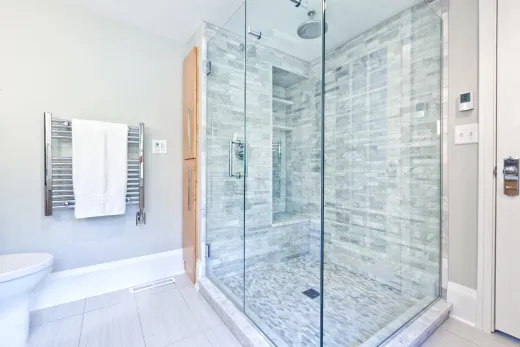
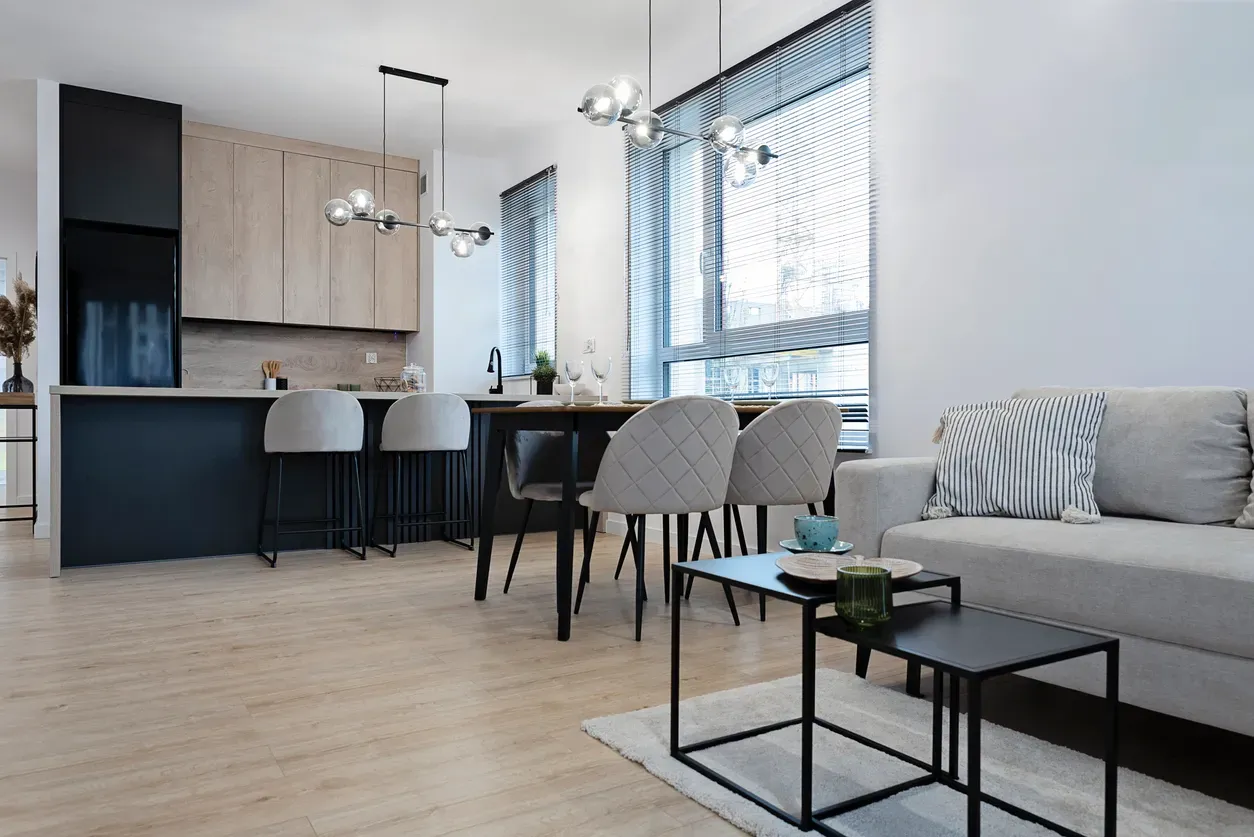
Continuous hard flooring, no carpet anywhere. Quartz counters — at $75–$140 per square foot installed, they read as a whole-kitchen upgrade. A renovated bathroom with a glass shower. Good lighting on dimmers instead of the single ceiling puck per room that towers of the 2000s shipped with. Visible storage solutions — entry closets that work, a proper pantry cabinet.
One unglamorous item deserves its own mention: plumbing. Buildings plumbed between 1995 and 2007 fall in the Kitec window, and buyers' agents and insurers now ask about it directly. If your building had Kitec and your unit's remediation is done and documented, that paperwork is worth real money at offer time — the class-action claims are closed, so a buyer facing future remediation prices it into their offer.
None of these are exotic. Resale return in condos comes from executing ordinary things well, in the order buyers notice them.
Spending the Right Amount for Your Building
Pulling it together into a decision path: check your building's renovated-versus-original sales spread first. Choose staging-level or living-level honestly. Rank your spend surfaces-first. Then add the condo logistics that ROI spreadsheets forget — board approval takes 4–10 weeks before any work starts, and weekday-only working hours stretch schedules, so a pre-sale renovation needs to begin four to six months before your target listing date, not six weeks.
Carry a 10–20% contingency even on a cosmetic scope, and remember quotes typically exclude 13% HST — compare them on the same basis.
When the spread justifies a full project, our condo renovation team in Toronto handles the board package, the elevator logistics, and the build under one contract, backed by a 2-year workmanship warranty. When it only justifies floors and paint, we will tell you that too — a $20,000 project that returns $35,000 is a better story than a $90,000 one that returns $60,000. Call (416) 995-7855 and bring your building's recent sales; that conversation is free.
Ready to start your renovation?
Our team is here to help you bring your vision to life. Get a free, no-obligation quote today.
Get Free QuoteFrequently Asked Questions
Clear answers to the questions Ontario homeowners ask most.