Kitec & Poly-B Plumbing: Replacement Guide for GTA Homes
Grey pipe from the 80s or orange-and-blue pipe from the 2000s: two different plumbing problems, one shared outcome — insurers and buyers flinch. How to spot each and what a repipe costs in 2026.
Two Different Problems: Grey Poly-B vs Orange-and-Blue Kitec
People conflate these two products constantly, including some home inspectors. They're different materials from different eras with different failure modes, and the distinction matters for what you do about them.
Poly-B (polybutylene) is grey plastic supply piping installed roughly 1978 to 1995. It was removed from the National Plumbing Code in 1997 after widespread concerns about degradation and leaks. Its prevalence in Ontario appears lower than in Alberta and BC, so don't assume — open the ceiling access panel or look at the exposed runs near your water heater and check for grey flexible supply lines.
Kitec is a PEX-AL-PEX composite pipe — plastic layers around aluminum — installed 1995 to 2007, usually orange for hot lines and blue for cold, joined with brass fittings. Those fittings are the weak point: they can corrode and fail, and the product was subject to a $125-million class-action settlement. Kitec is common in GTA condos and subdivisions built in that window.
The headline number for both: a whole-home repipe in the GTA typically runs from a few thousand dollars for a compact, accessible house to $15,000–$20,000+ for larger homes with finished walls. Details below.
Which GTA Homes and Condos Sit in the Risk Windows
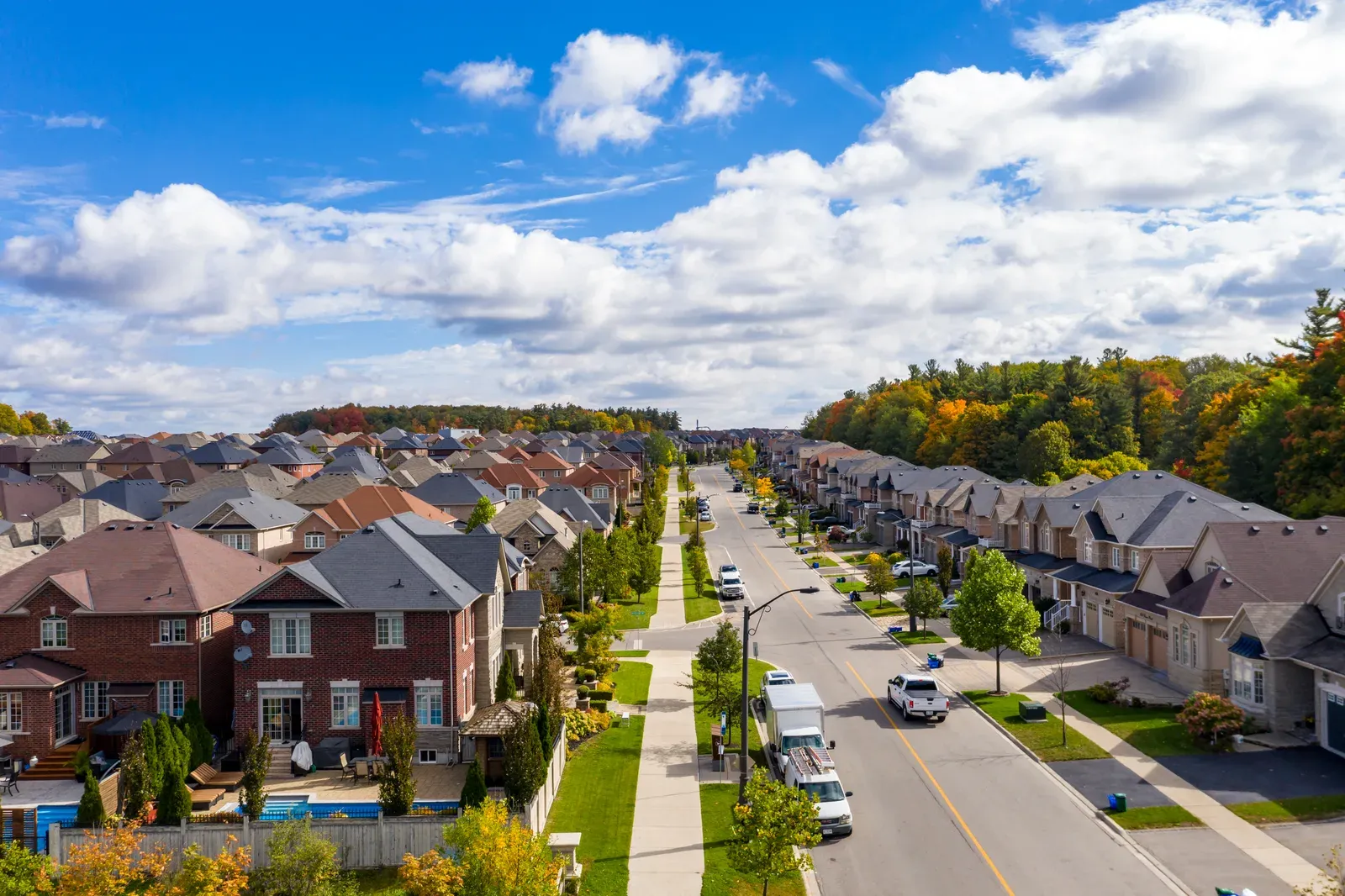
Map the install windows onto GTA growth and you get a fairly specific search area.
For Poly-B (1978–1995): Mississauga's Meadowvale, built out mostly in the late 1970s and 80s, and Erin Mills' western and central phases from the mid-to-late 80s; Milton's Timberlea from the late 70s and 80s; Burlington's Headon Forest, Millcroft and Brant Hills from the 80s and 90s. Again, Ontario builders used it less than western ones did — a visual check settles the question faster than the address does.
For Kitec (1995–2007): this is the bigger GTA story, because the region boomed during exactly that window. Vaughan's Maple and Sonoma Heights, Markham's Berczy, Cornell and Greensborough, Richmond Hill's Oak Ridges and Jefferson, and Milton's post-2001 subdivisions all built heavily in those years. Condo buildings from the era are the other hotspot — Kitec was popular with high-rise builders, and entire buildings have faced building-wide replacement programs.
If your home or unit dates to 1995–2007, look for orange and blue piping at the water heater, under sinks, or at the manifold. "KITEC" or "KTC" is often printed on the pipe itself.
Insurance and Resale Fallout of Leaving It in the Walls
Neither product usually announces itself before failing — that's the problem. Kitec fittings corrode from the inside, and Poly-B degrades over decades, so the first symptom is often a ceiling stain or a burst line. Water damage claims are exactly what insurers price for, so application forms increasingly ask about plumbing type, and known Kitec or Poly-B can mean surcharges, higher water-damage deductibles, or conditions requiring replacement. Answer those questions accurately; a misrepresented material can complicate the exact claim you bought the policy for.
Resale is the second squeeze. GTA buyers' agents and home inspectors know both products on sight now. In condos, documentation requested during a sale commonly surfaces whether the building or unit has Kitec, and buyers routinely negotiate the replacement cost off the price — often more than the repipe would have cost you on your own schedule.
Our practice-based observation after two decades in GTA homes: sellers who repipe before listing control the cost and the story. Sellers who let the buyer's inspector find it control neither.
Repipe Costs in 2026 and What Drives Them
GTA repipes span a wide band — roughly $2,000 to $15,000 for typical houses depending on size and access, with whole-home projects across Canada quoted at $3,500 to $20,000+. Where you land depends on a handful of drivers:
- Access. An unfinished basement ceiling with exposed runs is fast; fishing new PEX through finished, insulated walls in a two-storey home is not.
- Fixture count and storeys. Every bathroom, laundry and hose bib adds runs; each storey adds fishing time.
- Wall restoration. Drywall repair after a repipe runs $3.00 to $4.50 per square foot installed, plus paint — often the forgotten line item.
- Labour and permits. GTA plumbers bill $110 to $200 per hour at standard rates, and Toronto plumbing permits start around $205 when the work goes beyond like-for-like replacement.
Condos add their own layer: board approval before any work starts (typically a 4–10 week process), insurance certificates, elevator bookings and weekday-only work hours. Our condo renovation rules guide covers the full approval path, and it's worth knowing what you can and can't change in condo plumbing before scoping the job.
Why the Kitec Class Action Won't Pay for Your Fix
Homeowners still call us assuming the Kitec settlement will fund their repipe. It won't. The $125-million class action concluded years ago and the claims process is closed — remediation is now entirely out-of-pocket for current owners.
That changes the calculation in two ways. First, there's no reason to wait: no future cheque is coming, and the product in your walls isn't improving with age. Second, the settlement's existence still does its damage on paper. The class action made Kitec famous, which is precisely why inspectors flag it, insurers ask about it, and buyers discount for it. You carry the reputational cost of the product whether or not you ever received a dollar from the fund.
For Poly-B there was never an equivalent Canadian payout to wait for. Either way, the money for the fix comes from you — which makes the timing of the fix the one lever you actually control. That's the subject of the last section, and it's where most of the potential savings live.
Bundling a Repipe into a Kitchen, Bath or Whole-Home Reno
A repipe's cost splits roughly into the plumbing work and the getting-at-it: demolition, wall openings, patching, painting. A renovation erases most of the second half, because your walls are open anyway and restoration is already in the project scope.
The fit is natural. A bathroom renovation exposes the busiest concentration of supply lines in the house. A kitchen project opens the sink wall. A basement finish exposes the ceiling runs that feed everything above. And a whole-home renovation is the clean sweep — every line replaced, one restoration bill, done. If suspect pipe turns up mid-project, replacing it then and there is a modest change order; discovering it a year after your new tile went in is heartbreak.
Here's our decision guidance. Confirmed Kitec or Poly-B plus any renovation on your two-year horizon: bundle the repipe and pay for access once. Selling within a year: repipe now, on your terms, before an inspector sets them. No leaks, no plans, no sale: at minimum get a plumber's assessment so your insurance answers are accurate and the surprise factor is gone. We fold repipes into condo renovations and full home renovations across the GTA — quotes are free, and we'll tell you straight whether what's in your walls needs action now or can wait for the renovation.
Ready to start your renovation?
Our team is here to help you bring your vision to life. Get a free, no-obligation quote today.
Get Free QuoteFrequently Asked Questions
Clear answers to the questions Ontario homeowners ask most.