Knob-and-Tube Rewiring Cost in Toronto & the GTA (2026)
Rewiring a knob-and-tube house in the GTA runs $15,000 to $35,000 in 2026 — and your insurer may not give you a choice. What the job involves, what hides in the extras, and the cheapest time to do it.
How to Confirm You Still Have Live Knob-and-Tube
First, the numbers, because they frame every decision that follows. In 2026, selective knob-and-tube remediation in the GTA runs $5,000 to $15,000, and a substantial or full rewire of a typical house costs $15,000 to $35,000, including the ESA permit. Drywall or plaster repair comes on top.
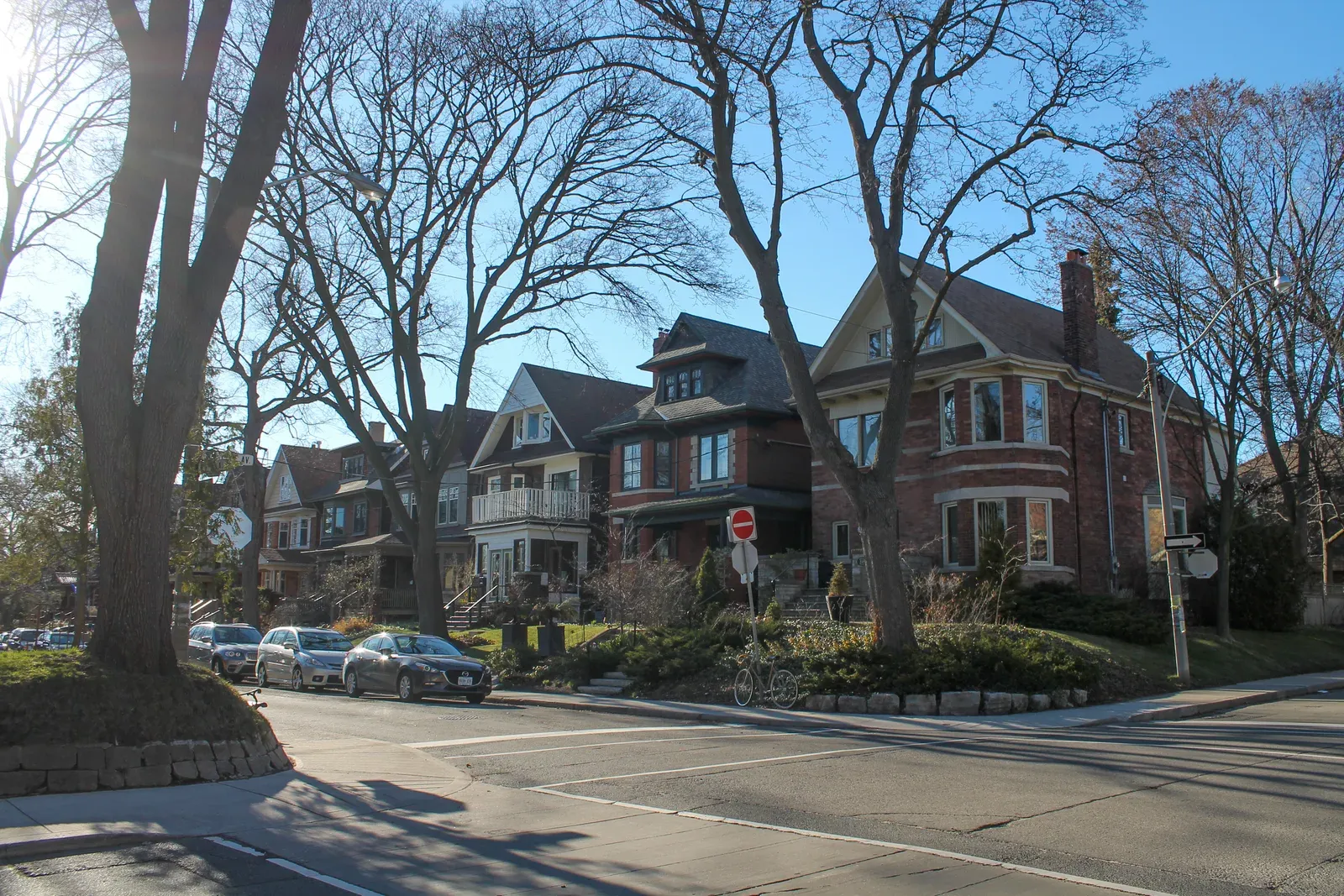
Knob-and-tube was the standard wiring method in Ontario from roughly 1900 to the late 1940s, so any home from that era is a candidate: the Victorian and Edwardian rows of Cabbagetown, Riverdale, Leslieville and the Annex, Hamilton's Durand and Kirkendall, Old Oakville, downtown Georgetown. Look for white ceramic knobs and tubes carrying individual black wires along basement joists or through the attic.
Here's the catch that surprises buyers: a modern breaker panel proves nothing. Plenty of century homes had panels swapped decades ago while the original circuits behind the walls stayed live. Partial renovations make it worse — new wiring in the kitchen, 1920s wiring still feeding the upstairs bedrooms. An electrician can trace circuits properly; a glance at the panel can't.
Why Insurers Cancel or Refuse Coverage on Active K&T
Insurance is what turns knob-and-tube from a quirk into a deadline. Insurers now routinely refuse new policies or cancel existing ones on homes with active K&T, and some will only bind coverage on condition of certified removal within 30 to 90 days of purchase. We've watched that clock start ticking on more than one client the week they got their keys.
The insurers' logic isn't arbitrary. K&T has no ground conductor. Its rubber-and-cloth insulation is now 80 to 120 years old and brittle. It was designed for a few lights per floor, not for the load of a modern home — and decades of amateur splices, buried junctions and blown-in insulation packed around wires that were meant to air-cool have degraded systems that were fine when installed.
If you own or are buying a pre-1950 GTA home, get the wiring question answered before your insurer asks it. A documented rewire — or an electrician's confirmation that previous owners already did it — is the difference between a routine renewal and scrambling for high-risk coverage at painful rates.
2026 Rewiring Costs: Selective Fixes vs Whole-House
Selective remediation at $5,000 to $15,000 targets the worst circuits — often the second floor and attic, where K&T most commonly survives — while leaving already-modernized areas alone. It suits homes that were partially rewired during past renovations, and it can be enough to satisfy an insurer if the electrician certifies no active K&T remains afterward.
A full rewire at $15,000 to $35,000 replaces every branch circuit in the house. Where your project lands in that range depends on a few things: square footage and storeys, plaster versus drywall walls, how accessible the basement and attic runs are, how many circuits a modern layout needs, and whether the panel and service need upgrading at the same time. A compact East York bungalow sits near the bottom; a three-storey Annex semi with original plaster throughout pushes the top.
Every figure here includes the ESA side. All electrical work in Ontario requires an ESA notification — a separate system from municipal building permits, which we break down in this answer — and rewires finish with an ESA inspection and Certificate of Acceptance. That certificate is the paper your insurer wants.
The Hidden Extras: Patching, Panel Upgrades, ESA Fees
The rewire quote is rarely the whole bill. Budget for the layer around it:
- Wall and ceiling repair. Fishing new cable means holes — many small ones in a careful job. Drywall installed runs $3.00 to $4.50 per square foot in Toronto, and original plaster costs more to patch invisibly. Then paint.
- Panel and service upgrades. Many K&T-era homes still run 60-amp services. A 100-amp upgrade is commonly quoted at $2,000 to $5,000 in the GTA — confirm per project, since mast and meter conditions vary.
- ESA fees. Typically $90 to $300 on a renovation-scale job, usually built into the electrician's quote; a service or panel change adds its own notification.
- Surprises behind the walls. Pre-1950 homes that still have original wiring often still have original everything — galvanized plumbing, zero insulation, and asbestos-era materials that must be tested before an electrician disturbs them.
That last point deserves respect. In pre-1990 homes, test suspect materials before cutting; abatement is a controlled, budgeted line item when planned and an emergency when discovered. It's a big part of why quotes on older homes vary so widely.
Rewiring During a Renovation: The Cheapest Time to Do It
Rewiring a finished, furnished, occupied house is the expensive version of this job. The electrician works blind behind plaster, every wall repair is a separate small trade visit, and you live through a week or more of circuits going down room by room. Some clients decamp to family for the worst of it — worth reading our take on living in the house during a whole-home renovation before deciding.
During a renovation, the equation flips. Walls and ceilings are open for other reasons. The electrician sees every run, works fast, and does cleaner work — proper boxes, logical circuit layout, capacity where you'll actually want it. Patching and painting are already in the project scope, so the rewire's premium shrinks toward the cost of wire and labour alone.
This is why we tell owners of century homes: if a kitchen, bathroom or larger renovation is on your two-year horizon and you can hold your insurer off, bundle the rewire into it. Paying for demolition and restoration twice is the most avoidable cost in old-house ownership.
What to Expect During a Rewire — and Your Next Step
A standalone rewire on an occupied house typically unfolds in stages. First, assessment and quoting: circuits traced, K&T mapped, a device count made, and the ESA notification filed. Then rough work: the crew runs new cable from the panel through basements, attics and wall cavities, taking down and re-energizing sections in sequence so you're rarely without power overnight. Old K&T is disconnected and, where accessible, removed. ESA inspection follows, then patching and paint. A typical house takes days to a couple of weeks of electrical work; the restoration timeline depends on how much plaster came apart along the way.
Deciding what to do comes down to timing. Buying a pre-1950 home with an insurer's 30-to-90-day removal condition? Book the rewire now and get the Certificate of Acceptance into your broker's hands. No deadline but planning a renovation? Fold it in and save the second round of access costs. Somewhere in between, a selective remediation may bridge you affordably.
We renovate century homes across Toronto, Hamilton and the GTA and price rewiring into the project from the first site visit — see our home renovation services in Toronto and what full renovations cost. Quotes are free, and on old houses, early answers are worth the most.
Ready to start your renovation?
Our team is here to help you bring your vision to life. Get a free, no-obligation quote today.
Get Free QuoteFrequently Asked Questions
Clear answers to the questions Ontario homeowners ask most.