Hidden Renovation Surprises in Older GTA Homes (Pre-1990)
Your home's build year predicts what's hiding behind the drywall with surprising accuracy. Here's the decade-by-decade map we use when quoting older GTA houses, with 2026 costs for the common fixes.
Decade-by-Decade: What Your Build Year Predicts
After twenty years opening up GTA walls, we can usually tell you what's behind them before demolition day. The build year does most of the predicting:
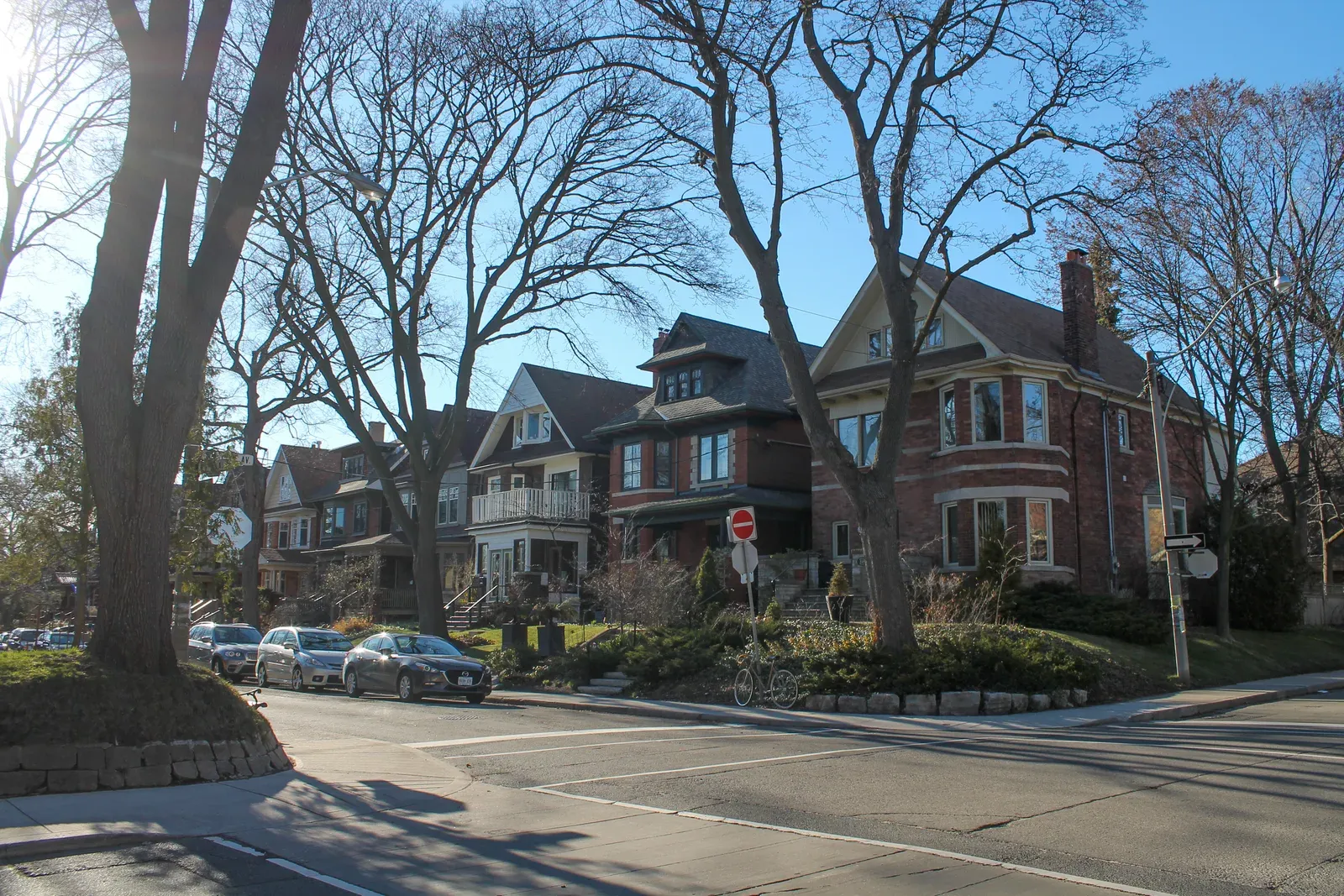
- Pre-1920 (Cabbagetown, Riverdale, Parkdale): knob-and-tube wiring, lead water services, galvanized supply pipe, rubble or brick foundations, low basements, plaster-and-lath
- 1920–1945: knob-and-tube still standard, 60-amp services, shallow footings in wartime pockets like East York's Sunshine Valley
- 1946–1965: peak asbestos era — plaster, drywall compound, vinyl floor tile, duct wrap — with galvanized plumbing fading out around 1960
- 1965–1976 (Scarborough and North York back-splits, older Etobicoke subdivisions): aluminum branch wiring, plus continuing asbestos-era finishes
- 1978–1995: Poly-B plastic supply piping window
- 1995–2007 (later Markham, Richmond Hill and Vaughan subdivisions, plus condos): Kitec plumbing
The practical rule: in anything built before about 1990, test suspect materials before disturbing them. Vaughan and Milton homeowners mostly get a pass — those cities boomed after the risky eras — but Toronto, Hamilton, Mississauga's earliest Erin Mills phases and old Oakville sit squarely in them.
Asbestos Before 1990: Test First, Budget for Abatement
Asbestos is the single most common budget-buster we encounter in pre-1990 renovations. It hides in drywall joint compound, plaster, popcorn and textured ceilings, vinyl floor tiles, and the wrap on old ducts and pipes. Ontario restricted asbestos in residential construction in 1986, but phase-outs were staggered — some materials sold until about 1990, and Canada's full ban only came in 2018 — so no single cutoff year makes a home safe. Testing is the only way to know.
Lab testing runs $300 to $800. If results come back positive, certified abatement under Ontario's asbestos regulations costs roughly $8 to $20+ per square foot, with typical residential projects landing $3,000 to $12,000. For popcorn ceilings, encapsulating with a skim coat is often the cheaper route than removal.
The mistake we see: homeowners scrape a textured ceiling or demo a wall themselves before testing, contaminating the house and turning a contained abatement into a bigger one. In 1960s–80s back-splits across Scarborough, textured ceilings are near-universal. Assume asbestos until a lab says otherwise.
Wiring Eras: Knob-and-Tube, Aluminum, and What Insurers Demand
Two wiring eras cause real trouble, and insurers care about both.
Knob-and-tube was standard in Ontario from about 1900 to the late 1940s. Insurers now routinely refuse or cancel coverage on active K&T, and some demand certified removal within 30 to 90 days of a purchase closing. Selective remediation runs $5,000 to $15,000; a substantial or full rewire of a typical house costs $15,000 to $35,000 in 2026, including the ESA permit but not the drywall patching afterward. A modern panel doesn't clear you — renovated century homes often retain live K&T hidden in ceilings and walls.
Aluminum branch wiring was used extensively in Canadian homes from 1965 to 1976. It isn't illegal or uninsurable, but unmitigated aluminum can add roughly $1,200 to $2,400 a year in premiums. The fix insurers accept is copper pigtailing done under an ESA permit with a Certificate of Acceptance — GTA electricians commonly quote whole-house pigtailing in the low thousands, though it varies by home.
Either way, electrical surprises are one of the main reasons renovation quotes on older homes climb once walls open.
Plumbing Time Bombs: Galvanized, Lead, Poly-B and Kitec
Plumbing surprises track their own timeline. Galvanized steel supply pipe, standard before about 1960, corrodes from the inside until pressure drops and pinholes appear; a GTA repipe runs $2,000 to $15,000 depending on house size and access.
Lead is older and more specific: lead water services correlate with pre-1955 construction, and Toronto still has an estimated 30,000 to 40,000 lead service lines, concentrated in pre-1955 neighbourhoods. The City's priority replacement program handles the public side free when the owner replaces the private side, which typically costs $1,500 to $3,500.
The plastic eras are newer and easy to confuse. Poly-B — grey piping installed 1978 to 1995 — was removed from the National Plumbing Code in 1997; its prevalence in Ontario appears lower than out west, so check for grey supply lines rather than assuming. Kitec — orange and blue piping with brass fittings, 1995 to 2007 — shows up in GTA condos and subdivisions of that window. Its $125-million class action is closed, so remediation is now out-of-pocket. Both spook insurers and buyers, and both are cheapest to replace while walls are already open.
How Pros Budget for Discovery: Contingency and Exploratory Openings
You can't inspect what you can't see, so professional budgets plan for the unknown two ways.
First, contingency. We recommend holding 10 to 20 percent of the budget for surprises on any pre-1990 home — the older the house, the closer to 20. Our guide on setting a renovation budget with contingency walks through the math. Hazmat discovery mid-renovation is the single most common budget-buster in older GTA homes, and a funded contingency is the difference between a bad week and a stalled project.
Second, exploratory openings. Before finalizing a quote on a century home, cutting small inspection holes in strategic spots — a ceiling below a bathroom, a wall chase near the panel — costs little and can reveal knob-and-tube, galvanized runs or crumbling plaster keys before they become change orders. A drywall patch is cheap; a surprise on day one of demolition is not.
Be wary of any quote on a pre-1960 house that carries no contingency and asks no questions about wiring or plumbing. That quote is designed to win the job, not finish it.
Turning Surprises into a Plan
Finding two or three of these issues doesn't mean your renovation is doomed. It means the sequence matters more. The economics strongly favour bundling: rewiring, repiping and abatement all get dramatically cheaper when walls are already open for a renovation, because you pay for demolition, access and patching once instead of twice.
Our usual order on an older home: test and abate hazardous materials first, then structural corrections, then full electrical and plumbing replacement while everything is exposed, then insulation — often the first real insulation the walls have ever had — and only then the finishes people actually see. Splitting this across separate future projects roughly doubles the access costs.
If you're planning a kitchen, bathroom or whole-home renovation in a pre-1990 house, the smart first step is an assessment that prices the probable surprises up front, not a quote that ignores them. See what full home renovations cost in Toronto for baseline ranges, then add your era's likely fixes from this post. We quote older homes every week across Toronto, Hamilton and the western GTA — quotes are free, and we'd rather find the knob-and-tube before you sign than after.
Ready to start your renovation?
Our team is here to help you bring your vision to life. Get a free, no-obligation quote today.
Get Free QuoteFrequently Asked Questions
Clear answers to the questions Ontario homeowners ask most.