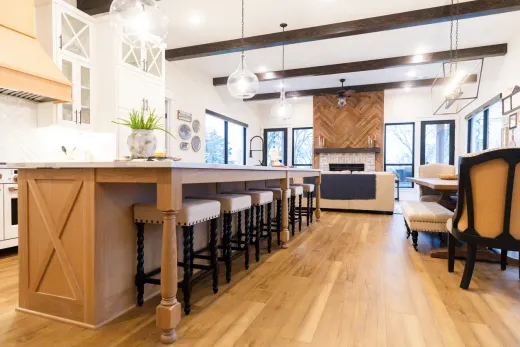
Comprehensive guide to the top 5 construction materials used in modern home renovations, including their properties, applications, and best practices.
Understanding Essential Construction Materials
Construction materials form the foundation of every project, influencing durability, costs, timelines, and performance outcomes. Material decisions affect structural capabilities, energy efficiency, visual appeal, and maintenance needs. Understanding the properties and applications of core construction materials supports better planning and informed decision-making for any renovation project.
Concrete: Versatile Foundation Material
Concrete combines cement, aggregates, water, and admixtures into a moldable mixture that hardens into rock-like strength. It provides exceptional compressive strength, fire resistance, durability, and shape flexibility. Modern formulations can achieve strengths over 10,000 psi. Applications span foundations, frames, slabs, pavements, and decorative elements. Its primary limitation is weak tensile strength, requiring steel reinforcement for most structural applications.
Steel: Strength and Structural Versatility
Steel offers an exceptional strength-to-weight ratio and predictable performance under stress. High tensile and compressive strength combined with ductility enable seismic resilience in structural applications. The material is fully recyclable, making it an environmentally responsible choice. Common uses include high-rise framing, industrial structures, bridges, and commercial buildings. Corrosion protection and fireproofing are essential considerations for steel construction.
Wood: Renewable Building Resource
Wood remains a primary building material for residential construction, offering excellent strength-to-weight ratios and natural insulation properties. Engineered wood products—including laminated veneer lumber, glulam beams, and cross-laminated timber—expand wood’s capabilities for larger structures. Its workability and warmth make it appealing for both structural and decorative applications. Proper moisture protection and treatment are essential for long-term performance.
Masonry: Timeless Durability
Brick, concrete block, and stone construction offers exceptional durability, fire resistance, thermal mass, and low maintenance requirements. Modern reinforcement techniques enhance masonry’s structural performance. Applications include load-bearing walls, decorative veneers, fireplaces, and landscape paving. Masonry’s natural beauty and longevity make it a popular choice for Ontario homes, though construction requires skilled tradespeople and favourable weather conditions.
Glass: Light, Views, and Modern Aesthetics
Modern glass technology provides transparency and daylighting while protecting from weather and managing energy transfer. Low-emissivity coatings, lamination, and insulated glazing units dramatically improve glass performance. Applications encompass windows, curtain walls, storefronts, skylights, and architectural features. Thermal performance, acoustic properties, and safety requirements guide glass specification for residential and commercial renovation projects.
Material Selection for Success
Effective construction requires matching materials to specific project needs while balancing performance requirements, budget constraints, aesthetic preferences, sustainability goals, and local availability. Working with experienced renovation contractors ensures optimal material selection for your specific project. The right materials, properly installed, create spaces that perform beautifully and last for decades.
Ready to start your renovation?
Our team is here to help you bring your vision to life. Get a free, no-obligation quote today.
Get Free Quote