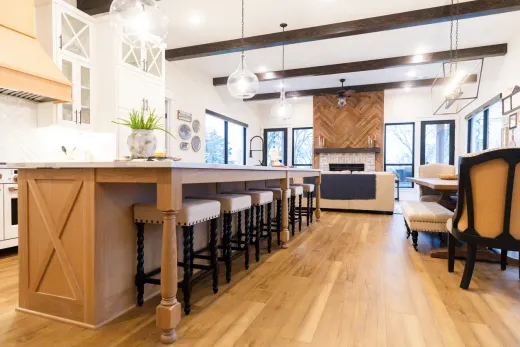
Learn the fundamentals of construction including project phases, building systems, and essential processes for successful home renovations in Ontario.
Demystifying the Construction Process
Construction transforms ideas into physical reality through complex processes involving multiple disciplines, trades, and stakeholders. Whether you’re planning a bathroom renovation or a complete home remodel, understanding construction basics empowers better decision-making, communication, and realistic expectations throughout the project.
Project Phases: From Vision to Reality
Every construction project follows distinct phases: planning and goal-setting, site evaluation and feasibility studies, design development, permitting, pre-construction preparation, active construction, and project closeout. Each phase involves specific activities and decisions that build upon previous work. Understanding this progression helps homeowners anticipate what comes next and make timely decisions.
Essential Building Systems
Every building relies on four core systems working together. Structural systems transfer loads through footings, frames, and bearing walls. The building envelope—walls, roofing, and windows—controls water, air, vapour, and thermal energy. Mechanical systems maintain temperature and air quality through HVAC equipment. Plumbing and electrical systems deliver water and distribute power throughout the structure.
Common Construction Materials
Five primary materials dominate residential construction. Concrete provides strong, durable foundations. Wood framing creates the skeleton of most Ontario homes. Steel enables long spans and tall structures. Masonry—brick, block, and stone—offers exceptional durability and fire resistance. Gypsum board creates smooth interior wall and ceiling finishes. Each material has specific properties that determine its ideal applications.
Key Construction Terminology
Understanding technical documents is essential for effective communication. Plans show horizontal layout from above. Elevations depict vertical surfaces. Sections reveal construction details through cut-away views. Specifications describe material and performance requirements in written form. Change orders document modifications to the original scope. Submittals and RFIs facilitate information exchange between the design and construction teams.
The Construction Team
Successful projects require coordination among five key roles. Owners define objectives and provide funding. Architects create designs that balance aesthetics, function, and code compliance. General contractors manage day-to-day construction operations. Subcontractors provide specialized trade expertise in areas like plumbing, electrical, and tiling. Building inspectors verify code compliance at critical project milestones.
Building Your Construction Knowledge
Construction involves complex coordination, careful planning, quality execution, and attention to countless details. For homeowners embarking on a renovation project, understanding these basics creates a foundation for productive collaboration with your contractor. The more you know about the process, the better equipped you’ll be to make informed decisions and achieve the results you envision.
Ready to start your renovation?
Our team is here to help you bring your vision to life. Get a free, no-obligation quote today.
Get Free Quote