Whole-home renovation budgets in Mississauga cover a real spread — a Meadowvale refresh and a Port Credit gut are different projects. Here are the 2026 numbers by tier and neighbourhood era.
Mississauga Renovation Pricing vs Toronto: The 5–10% Difference
As of 2026, a whole-home renovation in Mississauga runs $60–$150 per square foot for a cosmetic refresh, $150–$400 for a standard full renovation, and $400–$550+ for a full gut with structural work, rewiring and replumbing. A 2,000 sq ft full renovation commonly lands between $300,000 and $800,000 before surprises.
The good news relative to downtown: Mississauga and Brampton typically price 5–10% below Toronto rates, while downtown Toronto carries a 10–20% premium. Trades face easier parking, easier staging and shorter hauls to suppliers along the Dixie and Mavis corridors, and that shows up in quotes.
Two constants regardless of city: labour makes up 30–50% of a renovation budget, and contractor quotes usually exclude 13% HST — always confirm which side of the tax line a number sits on before comparing bids. For the full GTA picture, our home renovation cost guide breaks every tier down line by line.
2026 Cost Tiers: Cosmetic, Standard and Full Gut Renovations
What each tier actually buys:
Cosmetic refresh, $60–$150/sq ft. Paint throughout, new flooring, trim, doors, lighting and fixtures. No walls move, no plumbing relocates. This is the right scope for structurally sound 1990s–2000s homes that just look dated.
Standard full renovation, $150–$400/sq ft. New kitchen and bathrooms, some layout changes, electrical and plumbing updates wherever walls open. As components: a full kitchen starts at $25,000 with a typical range of $25,000–$80,000, and a full bathroom starts at $15,000 with most landing $15,000–$30,000.
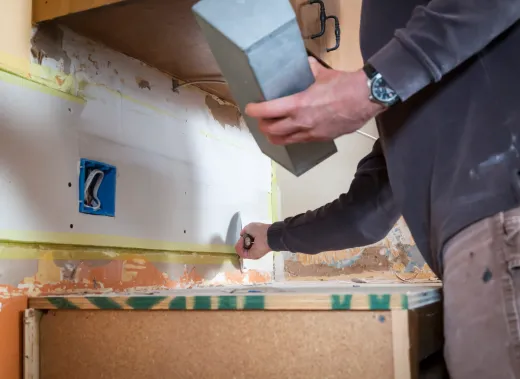
Full gut, $400–$550+/sq ft. Back to the studs — full rewire, replumb, new insulation, structural changes, often new HVAC. This tier is where Port Credit's older stock usually lands, and high-end gut renovations reach $450–$550+ per square foot once design fees, permits and HST are counted.
Most Mississauga projects we quote sit in the standard tier. The gut tier is driven less by taste than by what's behind the walls — which is where neighbourhood era comes in.
Neighbourhood Eras That Change Your Budget: Port Credit to Meadowvale
Mississauga wasn't built in one decade, and your street's vintage sets your risk profile.
Port Credit holds a genuine mix of century, pre-war and post-war homes; many sales there are effectively gut or teardown candidates, and renovation budgets should assume the top tiers. Lorne Park — once a late-1800s cottage and resort area — is now estate lots with houses mostly from the 1950s–80s, many already heavily rebuilt; scope varies house by house.
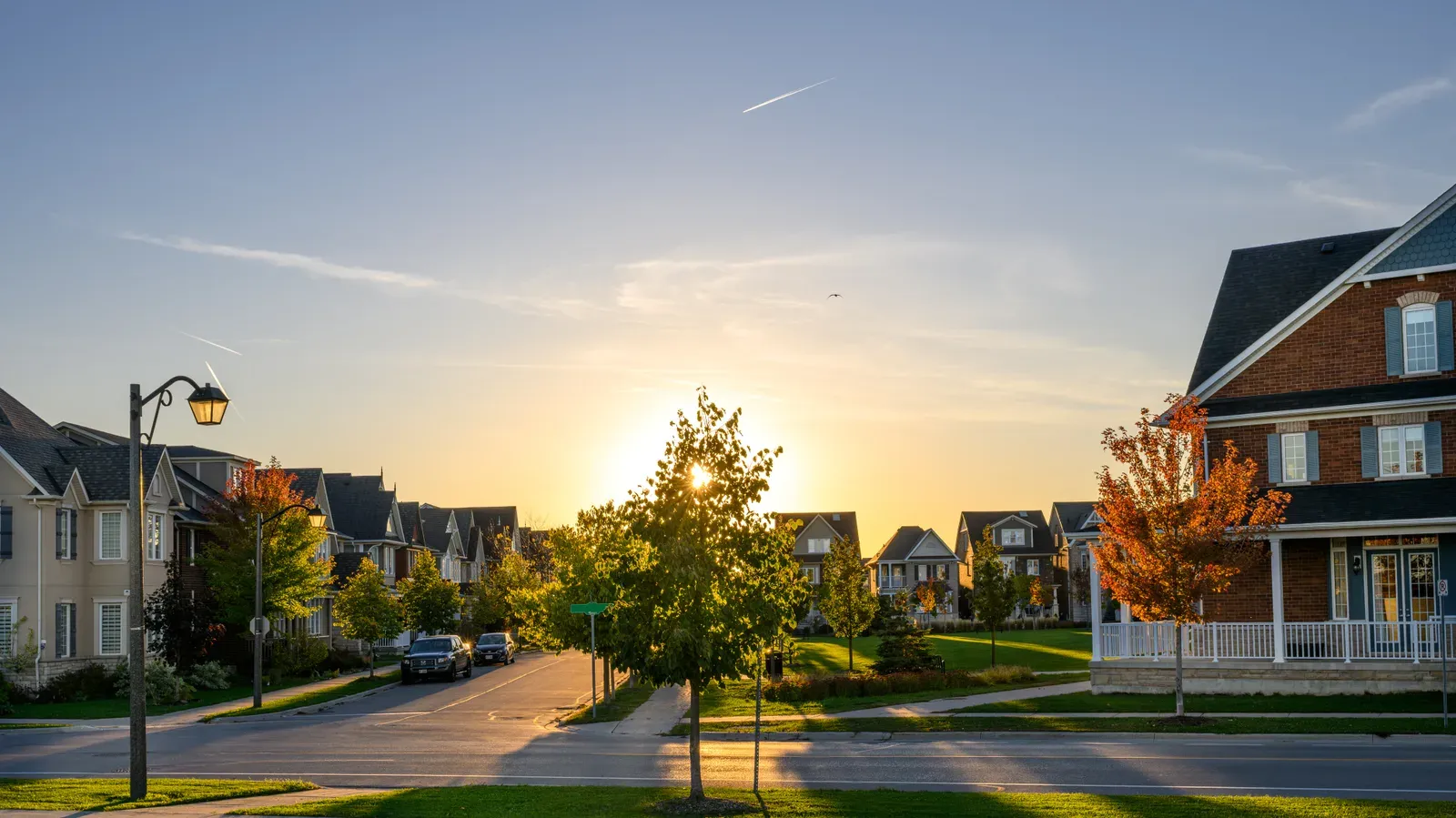
Erin Mills was Cadillac Fairview's master-planned community on roughly 8,000 acres: the south end built in the 1970s, the west in the mid-1980s, the central portion completed around 1989. Meadowvale, Markborough's 2,300-acre new town at Highway 401 and Mississauga Road, went up mostly in the late 1970s and 1980s.
The pattern that matters for budgeting: 1970s streets carry 1970s issues, 1980s streets carry 1980s issues, and whole subdivisions share them. When one Erin Mills homeowner finds aluminum wiring, the neighbours usually have it too.
Hidden-Cost Checklist for 1970s–90s Homes: Aluminum, Poly-B, Kitec
Four era items to check before you commit a budget:
- Aluminum wiring (1965–1976): possible in the earliest Erin Mills phases. Insurer-accepted fix is ESA-permitted copper pigtailing, commonly quoted $2,000–$6,000 for a whole house — verify per project.
- Asbestos-era finishes (pre-1986): drywall compound and textured ceilings from before Ontario's 1986 residential restriction can contain asbestos. Lab testing runs $300–$800; certified abatement typically $3,000–$12,000.
- Poly-B piping (1978–1995): grey plastic supply lines from the era of the later Erin Mills and Meadowvale phases. Ontario prevalence appears lower than out west, so check visually rather than assuming — but insurers ask about it.
- Kitec (1995–2007): orange and blue PEX-AL-PEX with brass fittings, found in subdivisions and condos of that window. The class-action claims period is closed, so remediation is now out-of-pocket.
Any of these can move a project up a tier, which is why we recommend holding a contingency of 10–20% — here's how to set a renovation budget with contingency, and a fuller list of what drives renovation costs up.
Mississauga Permit Fees and the Seven-Week Average Approval
Mississauga runs its own building department — Peel Region doesn't issue permits — and everything goes through the City's ePlans portal.
The 2026 fee schedule sets the minimum residential permit at $244, with a $50 non-refundable online application deposit credited toward the fee. Residential interior alterations are charged at $6.84 per m² — noticeably cheaper than Toronto's $11.53 — and finishing a basement runs $5.64 per m². Plumbing adds $42.23 per fixture.
The timeline is the number to plan around. Prescreening takes about 7–10 business days before the legislated 10-day review clock even starts, and the City's own published average for a residential alteration is about seven weeks from application to issuance; a second unit averages around ten. Every deficiency letter adds a cycle, so complete drawings are worth real calendar time. Electrical work runs separately through an ESA notification filed by your electrician — typically $90–$300 and built into their quote.
Sample Budgets for a 2,000 sq ft Mississauga Two-Storey
Three realistic 2026 scenarios for a 2,000 sq ft detached two-storey:
The refresh — roughly $120,000–$250,000. Flooring and paint throughout, new lighting and trim, kitchen and bathrooms updated in place without moving plumbing. Right answer for a solid 1990s Meadowvale or Central Erin Mills home.
The standard renovation — roughly $300,000–$500,000. New kitchen with some layout change, two or three renovated bathrooms, era items fixed while walls are open. Where most 1970s–80s houses land once wiring and plumbing updates are included.
The gut — $800,000+. Back to studs with structural changes. Reserved for the oldest stock or homes with compounding issues; at this level, compare the number against moving costs and land value before committing.
Our suggestion: pick the scope that solves the house's actual problems, not the biggest one you can finance — and do era repairs during the renovation, when walls are already open, rather than as standalone projects later. We've been renovating GTA homes since 2004 with a 2-year workmanship warranty; see what our home renovation team in Mississauga covers, or start with the kitchen renovation page for Mississauga if that's the heart of your project. Quotes are free — call (416) 995-7855.
Ready to start your renovation?
Our team is here to help you bring your vision to life. Get a free, no-obligation quote today.
Get Free QuoteFrequently Asked Questions
Clear answers to the questions Ontario homeowners ask most.