Whole-home renovation costs in Vaughan run $150–$400 per square foot in 2026 — and because most of the city was built after 1980, budgets behave differently here. From your Vaughan-based contractor.
Vaughan Renovation Costs in 2026: The Tiers That Matter
$150–$400 per square foot is the 2026 range for a standard whole-home renovation in Vaughan — full kitchen, bathrooms, flooring, paint, and some layout changes. Cosmetic multi-room refreshes run $60–$150 per square foot; a full gut with structural work, rewiring, and replumbing starts around $400 and can reach $450–$550+ all-in. Complete renovations of a 2,000 sq ft home commonly total $300,000–$800,000, while focused multi-room scopes start around $50,000. Quotes usually exclude 13% HST — always confirm before comparing.
We write this one from home turf. Our shop is at 7700 Keele St, and we have been renovating Vaughan houses since 2004. The most useful thing we can tell you about pricing here is that Vaughan budgets are more predictable than Toronto budgets — and the reason is the city's building history.
Why Vaughan's Newer Stock Renovates Differently Than Toronto's
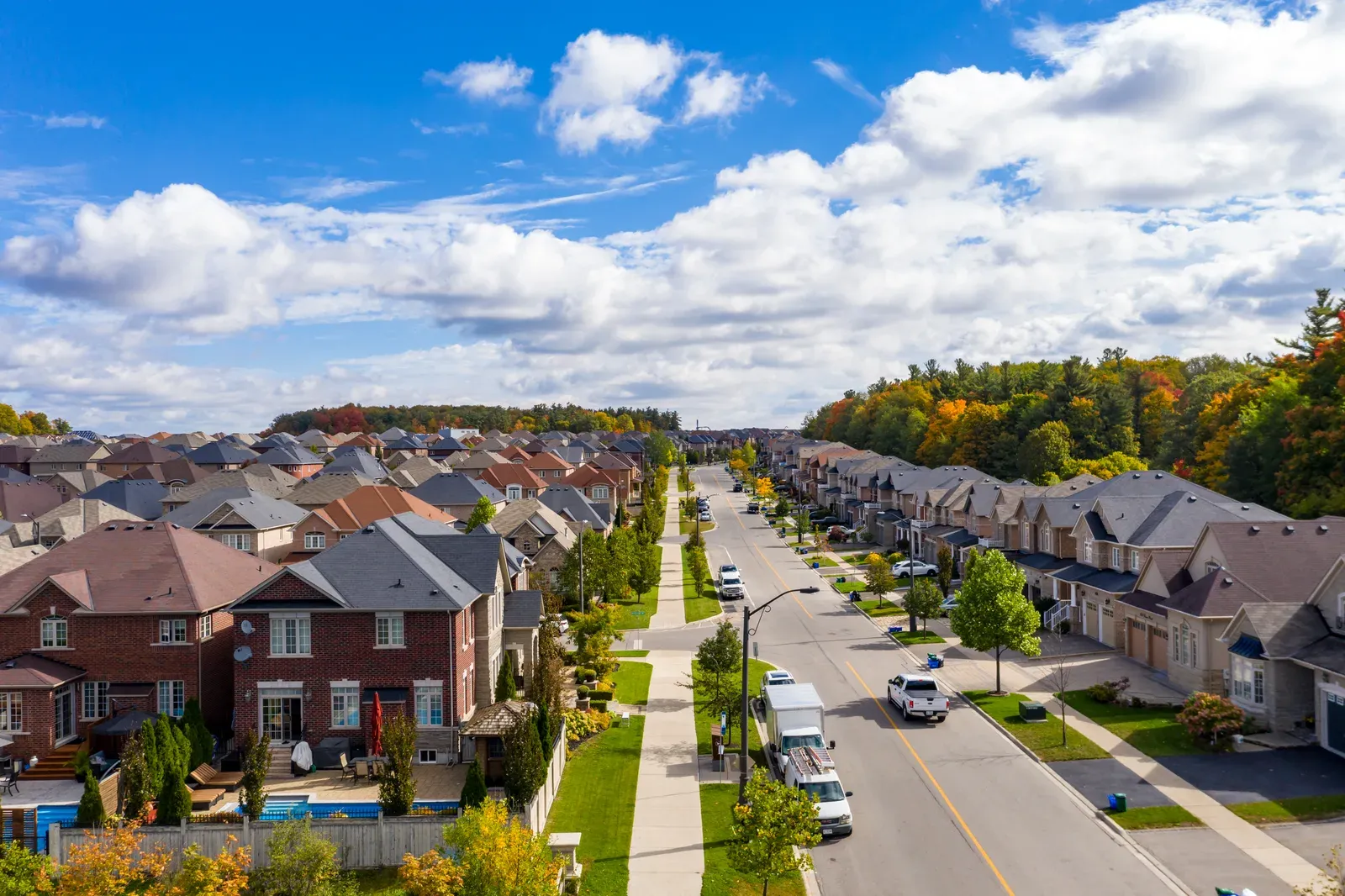
Vaughan barely existed as a city until recently: the population sat around 15,000 until trunk-sewer hookup arrived in the late 1970s, and had reached only about 30,000 by 1981. Woodbridge and Thornhill's Vaughan side filled in through the 1980s and 90s, Maple and Sonoma Heights through the 1990s and early 2000s, and the Kleinburg-area estates mostly in the 2010s.
That timeline is good news for your budget. Knob-and-tube wiring, aluminum branch wiring (used 1965–1976), and most asbestos-era materials predate nearly all of Vaughan's housing. Where a Toronto renovation carries real risk of five-figure rewiring or abatement surprises, a typical Vaughan project spends its money on things you can see — cabinets, tile, flooring, millwork. Contingency still matters (we recommend 10–20%), but here it protects against scope decisions, not asbestos lab reports. For how the tiers compare across the region, see what home renovations cost in the GTA.
It also shapes what projects look like. Instead of gut jobs, Vaughan work leans toward kitchen and ensuite upgrades, basement finishing for multi-generational households, and main-floor refreshes in homes hitting the 20–25-year mark — the age when builder-grade finishes tend to give out all at once.
Woodbridge and Thornhill's Older Streets: The Exceptions
The exceptions are the old village cores. Original Woodbridge, the Kleinburg village core, and Thornhill's oldest streets predate the subdivision boom, and homes there deserve the same caution as older Toronto stock. Anything built before about 1990 may contain asbestos materials — testing is the only way to know, at $300–$800 for lab work — and houses from the 1965–1976 window should be checked for aluminum branch wiring, which insurers accept once it is copper-pigtailed under an ESA permit with a Certificate of Acceptance.
If you are buying a character home on one of these streets with plans to renovate, get the era-specific checks done during your inspection window, not after closing. A $500 test that surfaces a $10,000 remediation changes the offer math, and it is far cheaper to learn that before the keys change hands. None of this is a reason to walk away from a Woodbridge century home — just a reason to price it with open eyes.
Kitec Plumbing in 1995–2007 Builds: Find It Before You Finish
The one hidden-system issue Vaughan does have in volume is Kitec. Maple, Sonoma Heights, and other communities of that vintage were built squarely inside the 1995–2007 Kitec era — orange and blue PEX-AL-PEX supply piping with brass fittings, subject to a $125-million class action whose claims are now closed. Remediation today is entirely out of pocket.
The check takes minutes: look at the piping near your water heater and under sinks. If Kitec is there, the time to replace it is during your renovation, while walls and ceilings are already open — running new supply lines through finished space later costs far more and wrecks finishes you just paid for. This is exactly the kind of item we flag during quoting so it lands in the budget rather than in a mid-project change order.
Permits in Vaughan and When You Need Engineered Drawings
The Ontario Building Code sets the triggers everywhere in the province: permits are required for removing or adding walls, moving plumbing, additions, structural changes, and creating second units — not for paint, flooring, cabinets, or like-for-like fixture swaps. Load-bearing wall removals need an engineered beam design before a permit will issue; here is when engineered drawings are required. Electrical work always needs a separate ESA notification, typically $90–$300 and filed by the licensed electrical contractor.
Vaughan publishes its own fee schedule and, like every GTA municipality, adjusts it annually — confirm current amounts with the city, or let your contractor carry the application. The legislated first review for houses is 10 business days once an application is complete; real timelines depend on drawing quality, which is where a contractor who submits complete packages earns their keep. We handle permits on every project that needs one.
One seasonal note: scopes that cut new window or door openings are easiest to build outside deep winter, so structural projects are often best applied for in late winter and built through spring — the permit clock and the weather line up nicely that way.
A Line-Item Budget for a 3,000 sq ft Vaughan Two-Storey
Vaughan houses run big, and per-square-foot math scales accordingly: a full standard-tier renovation of a 3,000 sq ft two-storey lands between $450,000 and $1.2 million at 2026 rates. That is why most Vaughan homeowners scope selectively instead. A realistic selective whole-home update looks like this:
- Kitchen (semi-custom cabinetry, quartz, mid-range appliances): $35,000–$60,000
- Primary ensuite: $28,000–$45,000; main bathroom: $15,000–$30,000
- Hardwood through main areas at $8–$15/sq ft installed: $15,000–$30,000
- Whole-home repaint at $1.80–$4.50/sq ft of wall area: $10,000–$20,000
- Lighting, trim, drywall repairs, and permits: $15,000–$35,000
- Contingency: 10–20%
That is roughly $130,000–$240,000 for a house that feels new everywhere it counts. Bundling the rooms into one contract beats phasing them, too: trades mobilize once, and drywall, paint, and flooring run as continuous passes instead of four separate small jobs. Sequence matters as much as scope — the right order for whole-home work keeps you from paying for anything twice. When you want numbers for your actual house, our Vaughan home renovation team will walk it with you: free quotes, a 2-year workmanship warranty, and we are minutes away. Call (416) 995-7855.
Ready to start your renovation?
Our team is here to help you bring your vision to life. Get a free, no-obligation quote today.
Get Free QuoteFrequently Asked Questions
Clear answers to the questions Ontario homeowners ask most.